

A warm and nourishing sweet potato breakfast casserole is the kind of meal that makes mornings easier. Packed with protein, colorful vegetables, and naturally sweet potatoes, this dish is a healthy upgrade from traditional breakfast options. Whether you’re planning a weekend brunch or need a reliable make-ahead recipe, it’s a casserole that satisfies both taste and nutrition.
What sets the sweet potato breakfast casserole apart is its versatility. You can keep it simple with eggs, sausage, and veggies, or switch things up with cheese, plant-based alternatives, or even different spices. It reheats well, making it ideal for meal prep and busy mornings when time is short but you still want something wholesome.
In this article, you’ll learn exactly how to prepare the sweet potato breakfast casserole, the role of each ingredient, storage tips, and delicious variations. By the end, you’ll see why it’s a breakfast staple worth keeping in your rotation.
Table of Contents

Sweet Potato Breakfast Casserole
- Total Time: 42 mins
- Yield: 6–8 servings
Description
A veggie-packed, protein-rich breakfast bake made with homemade seasoned ground pork, sweet potatoes, bell pepper, red onion, spinach, and eggs. It reheats beautifully for meal prep and doubles as an easy brunch main.
Ingredients
- 1 ½ teaspoons avocado oil or olive oil
- 1 medium sweet potato, peeled and cubed (about 2 cups diced)
- ½ lb ground pork (or pre-made breakfast sausage; see Notes)
- ½ teaspoon garlic powder
- ¼ teaspoon Italian seasoning
- ¼ teaspoon crushed fennel seeds
- ¼ teaspoon ground sage
- ½ teaspoon fine salt, divided, plus more to taste
- Pinch black pepper
- Pinch cayenne
- ½ small red onion, diced or thinly sliced (about ½ cup)
- ½ red bell pepper, diced or thinly sliced (about ⅔ cup)
- 3 cups fresh spinach leaves
- 8 large eggs
- Optional for serving: sliced avocado, hot sauce, fresh herbs
Instructions
- Heat oven: Preheat to 375°F. Grease a 9×9-inch baking dish with spray or a thin film of oil.
- Cook sweet potatoes: Heat oil in a medium skillet over medium-high. Add diced sweet potato and a pinch of salt. Cover and cook 10–12 minutes, stirring occasionally, until just tender.
- Brown pork: In a separate skillet over medium-high, add ground pork. Break into small pieces with a wooden spoon. Cook until browned; drain excess fat if needed. Stir in garlic powder, Italian seasoning, fennel, sage, ¼ teaspoon salt, black pepper, and cayenne.
- Sauté veggies: Add onion and bell pepper to the sweet potatoes; cook 3–4 minutes until peppers soften and onions turn translucent. Stir in spinach and cook 1–2 minutes until wilted. Remove from heat and fold in the cooked pork.
- Whisk eggs: In a bowl, whisk eggs with the remaining ¼ teaspoon salt and a pinch of pepper.
- Assemble: Spread the sweet potato–sausage mixture in the prepared dish. Pour eggs evenly over the top, pressing gently so all ingredients are submerged.
- Bake: Bake 20–24 minutes, until the center is set and a knife inserted in the middle comes out clean.
- Rest & serve: Let stand 5 minutes. Slice into 6–8 portions. Serve with avocado, hot sauce, and herbs if desired.
Notes
- Using pre-made sausage: If you substitute pre-made breakfast sausage, omit the added seasonings (garlic powder, Italian seasoning, fennel, sage) and salt to taste.
- Pan size swap: A 9×13-inch pan yields thinner slices; start checking for doneness at 16–18 minutes.
- Make-ahead: Assemble, cover, and refrigerate up to 12 hours. Bake straight from the fridge, adding 3–5 minutes.
- Freezer-friendly: Bake, cool, slice, and freeze individually up to 2 months. Reheat at 350°F for 10–12 minutes, or microwave until hot.
- Dairy option: For a cheesier casserole, fold ½–1 cup shredded cheddar, pepper jack, or crumbled feta into the egg mixture.
- Vegetarian swap: Replace pork with 1 ½ cups sautéed mushrooms, black beans, or plant-based sausage crumbles.
- Prep Time: 20 mins
- Cook Time: 22 mins
- Cuisine: American
Nutrition Facts (per 1 serving, 1/8 of recipe)
| Nutrient | Amount |
|---|---|
| Calories | 209 kcal |
| Total Fat | 14 g |
| Saturated Fat | 10 g |
| Cholesterol | 267 mg |
| Sodium | 350 mg |
| Total Carbohydrate | 9 g |
| Dietary Fiber | 2 g |
| Sugars | 3 g |
| Protein | 24 g |
Why Sweet Potato Breakfast Casserole Works
Balanced Nutrition in One Dish
One of the biggest reasons the sweet potato breakfast casserole has become a favorite for families is its well-rounded nutrition. This dish blends protein from eggs and sausage, fiber and antioxidants from vegetables, and complex carbs from sweet potatoes. Compared to quick breakfasts like cereal or toast, the sweet potato breakfast casserole keeps you full, energized, and satisfied for hours.
Sweet potatoes provide a natural sweetness while delivering vitamin A, vitamin C, and potassium. Combined with leafy greens like spinach, bell peppers, and onions, every bite packs both flavor and nutrients. Eggs tie everything together, adding protein and healthy fats that support a balanced start to the day. When served as part of a weekly rotation, the sweet potato breakfast casserole can easily become your go-to choice for wholesome, everyday meals.
Meal Prep & Make-Ahead Friendly
Another reason the sweet potato breakfast casserole works so well is its make-ahead flexibility. You can prepare the filling, assemble it at night, and bake it fresh in the morning with no stress. For busy parents or professionals, that means breakfast is ready while the coffee brews.
Leftovers reheat beautifully, making this dish perfect for meal prep. Store slices in the fridge for up to four days or freeze individual portions for longer storage. Unlike many egg dishes that lose texture after reheating, the sweet potato breakfast casserole stays moist, flavorful, and just as satisfying the second time around. That’s why it’s not just a recipe for weekends, but a reliable option for busy weekdays too.
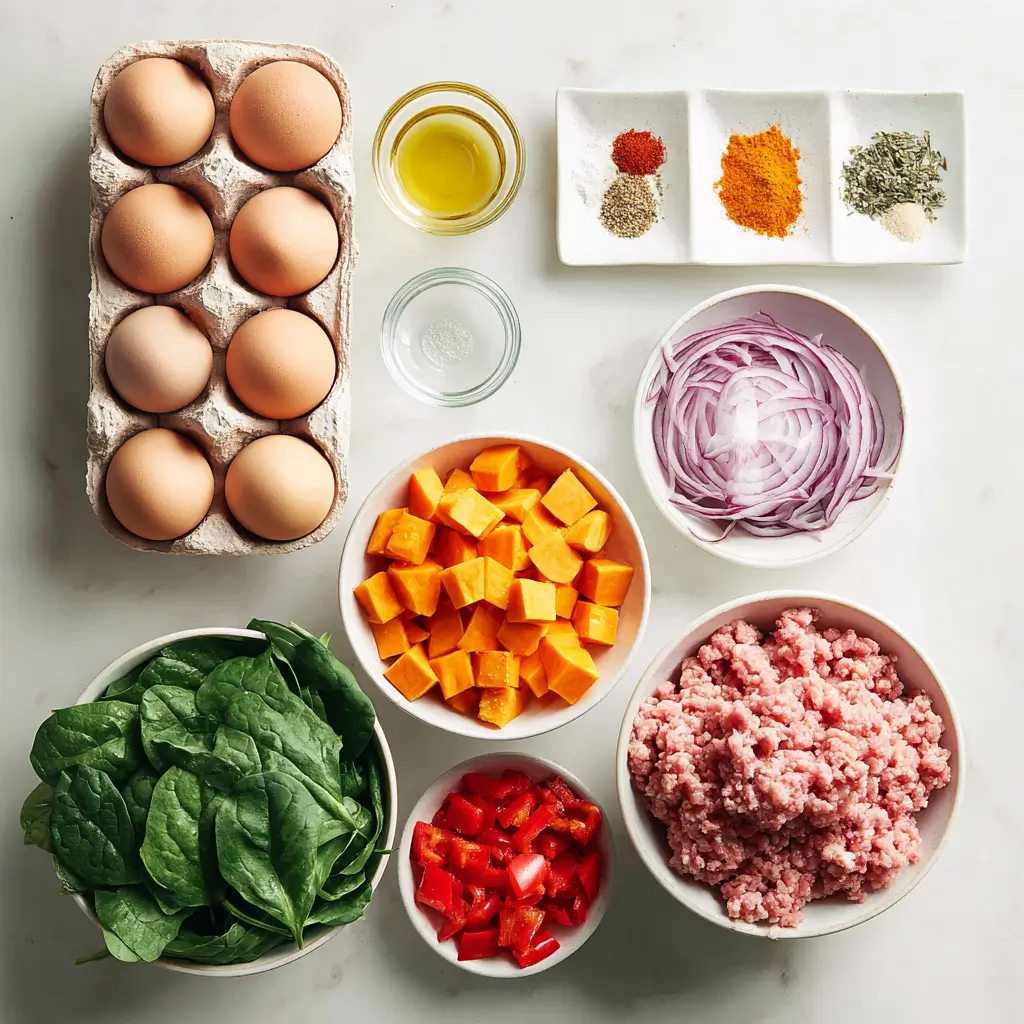
Ingredients & Why They Matter
Sweet Potatoes : More Than Just a Base
The star of every sweet potato breakfast casserole is, of course, the sweet potatoes. They don’t just provide a naturally sweet flavor; they also add fiber, vitamin A, vitamin C, and potassium. Unlike white potatoes, they deliver slow-digesting carbs that keep you energized through the morning. You can cube them for hearty bites or shred them for a softer base. Either way, the sweet potato foundation makes this a healthy breakfast casserole that feels both hearty and satisfying.
Protein Options: Ground Pork, Sausage, or Meatless Choices
A classic sweet potato breakfast casserole usually includes ground pork or breakfast sausage. Sausage is already seasoned, while ground pork lets you control the flavor with spices like fennel, sage, or garlic powder. Both options work beautifully, depending on how much seasoning flexibility you want. If you prefer a lighter protein, try ground turkey or chicken. For vegetarian cooks, plant-based sausage, beans, or lentils make great substitutes without sacrificing heartiness.
Vegetables & Greens : Flavor and Color
What makes a sweet potato breakfast casserole stand out is the vibrant mix of vegetables. Red onion, bell pepper, and spinach add color, texture, and nutrients. Onions bring a mellow sweetness, peppers add crunch, and leafy greens wilt down for a boost of iron and antioxidants. Other seasonal swaps like mushrooms, zucchini, or kale can also fit seamlessly into this vegetable breakfast bake, making it as flexible as it is flavorful.
Seasonings & Optional Add-Ins
The right spices bring the casserole together. Garlic powder, fennel, sage, and Italian seasoning create the flavor base often found in sausage. A pinch of cayenne adds a subtle kick, while fresh herbs like parsley or chives brighten each slice. Cheese is optional, but sharp cheddar, feta, or goat cheese can melt into the dish for extra richness. Whether you keep it dairy-free or load it with cheese, the sweet potato breakfast casserole adapts easily to your taste.

Step-by-Step Recipe Instructions
Preparing the Sweet Potatoes
The foundation of a delicious sweet potato breakfast casserole starts with properly cooked potatoes. Peel and dice the sweet potatoes into small, even cubes, about half an inch in size. This ensures they cook evenly and create the right texture. In a skillet, warm a bit of avocado or olive oil, add the potatoes, and season lightly with salt. Cook for 10–12 minutes, stirring occasionally, until tender but still holding shape. Roasting in the oven is another option if you want a slightly caramelized flavor for your sweet potato breakfast casserole.
Cooking the Meat & Veggies
While the potatoes are cooking, brown the ground pork or breakfast sausage in another pan. Use a spatula to break it into small pieces so the meat cooks evenly. Once browned, drain any excess fat and season with garlic powder, fennel, sage, and Italian herbs.
To build flavor in the sweet potato breakfast casserole, add diced red onion and bell pepper to the skillet with the potatoes. Cook until the onions are translucent and the peppers are tender. Stir in fresh spinach at the very end, letting it wilt before combining the mixture with the cooked sausage. Together, these layers form the savory base of the casserole.
Whisking Eggs & Assembling the Casserole
Crack the eggs into a large bowl and whisk until smooth with a pinch of salt and pepper. If you prefer a creamier egg layer, you can add a splash of milk or a dairy-free alternative.
Lightly grease a 9×9-inch baking dish. Spread the sweet potato, sausage, and vegetable mixture evenly in the pan. Pour the whisked eggs over the top, making sure all ingredients are submerged. This step helps the sweet potato breakfast casserole bake evenly, binding everything together into a hearty dish.
Baking & Finishing Touches
Bake the casserole at 375°F for about 20–24 minutes, or until the center is firm and a knife inserted in the middle comes out clean. If the edges brown too quickly, tent the dish with foil. Once baked, let the sweet potato breakfast casserole rest for at least 5 minutes before slicing this keeps the portions neat and helps flavors settle.
When serving, top with avocado slices, hot sauce, or fresh herbs for an extra burst of flavor. These finishing touches make your sweet potato breakfast casserole look as good as it tastes, whether you’re serving it for brunch or prepping ahead for the week.
Variations & Dietary Modifications
Dairy / Cheese Variations & Additions
Cheese lovers can easily turn this into a creamy, indulgent sweet potato breakfast casserole. Sharp cheddar melts beautifully and adds richness, while feta or goat cheese create a tangy twist. If you’d like extra creaminess, stir some shredded cheese into the egg mixture before baking.
For those avoiding dairy, simply skip the cheese or use a dairy-free substitute. Nutritional yeast can provide a cheesy flavor without any milk products, keeping the dish suitable for paleo or Whole30 plans.
Vegetarian & Vegan Versions
If you’d like to keep this casserole meatless, swap the sausage for vegetarian crumbles, black beans, or lentils. These options still add protein while keeping the dish hearty. For a vegan version, replace the eggs with a tofu scramble or a chickpea flour “egg” mix.
With the right adjustments, this recipe becomes a versatile vegetarian breakfast casserole or a full vegan breakfast bake, proving just how adaptable it can be.
Lower-Carb or Keto Adaptations
If you’re watching carbs, reduce the amount of sweet potato or replace some with roasted cauliflower, zucchini, or turnips. These low-carb vegetables mimic the texture of potatoes while cutting down on starch.
Adding more leafy greens, mushrooms, or extra sausage helps balance out the dish and makes it more keto-friendly. The result is still a satisfying breakfast casserole with all the flavor, just fewer carbs.
Flavor Twists & Global Influences
One of the best parts of a sweet potato breakfast casserole is how easy it is to customize with different flavor profiles. For a Mexican-inspired twist, add cumin, chili powder, and top with avocado or salsa. A Mediterranean version might include feta, sun-dried tomatoes, and fresh herbs like oregano. You can even go smoky and Southern by adding paprika, bacon, or hot sauce.
No matter which direction you take, the base recipe is flexible enough to handle a variety of flavors, ensuring you’ll never get bored with this dish.
Make-Ahead, Storage & Reheating
Making Overnight / Ahead-of-Time
One of the biggest advantages of the sweet potato breakfast casserole is how easy it is to prepare in advance. You can sauté the vegetables, cook the sausage, and even whisk the eggs the night before. Assemble everything in the baking dish, cover tightly, and refrigerate overnight. In the morning, simply bake as directed, adding a few extra minutes since the casserole will be starting cold. This makes it perfect for holiday mornings, brunch with guests, or busy weekdays when time is short.
Refrigeration & Storage
Once baked, the sweet potato breakfast casserole holds up well in the refrigerator. Let it cool completely before storing to avoid condensation that can make the dish soggy. Transfer slices into airtight containers and refrigerate for up to 4 days. For families, storing in individual portions makes weekday mornings much simpler just grab, heat, and go.
Freezing & Thawing
This casserole also freezes beautifully, making it a true meal prep winner. You can freeze the entire dish before baking by assembling it in a freezer-safe dish, wrapping tightly, and storing for up to 2 months. Alternatively, bake it first, let it cool, then slice and wrap individual portions for easy reheating. When ready to enjoy, thaw overnight in the refrigerator and bake or reheat until warmed through.
Best Reheating Methods
To keep the sweet potato breakfast casserole tasting fresh, reheat in the oven at 350°F for about 10–12 minutes. This prevents soggy eggs and keeps the texture firm. For a faster option, the microwave works just cover with a damp paper towel to avoid drying out. If you like crisp edges, a quick warm-up in a skillet with a splash of oil is another tasty option.
With these storage and reheating tips, you can enjoy this hearty dish for several days without losing flavor or texture. That makes it not only a crowd-pleaser but also one of the most practical breakfast casseroles you’ll ever make.
Comparisons & Clarifications
Breakfast Casserole vs Quiche : Key Differences
People often confuse a quiche with a sweet potato breakfast casserole, but there are some clear differences. A quiche is usually made with a pastry crust and a custard-like filling of eggs and cream. It’s delicate, rich, and often served in slices like pie. In contrast, a breakfast casserole skips the crust and relies on a mix of eggs, vegetables, meat, and sometimes cheese baked together in one dish. This makes the sweet potato breakfast casserole sturdier, more filling, and easier to prep ahead of time.
Sausage vs Ground Pork : What’s the Difference?
Another common question is whether pork sausage is the same as ground pork. They may look similar, but the difference is in the seasoning. Ground pork is plain, while sausage is mixed with spices like sage, fennel, garlic, and salt. In a sweet potato breakfast casserole, using ground pork lets you season it to your liking, while sausage provides a ready-made flavor boost. Both work well, but choosing between them depends on whether you want convenience or control over the taste.
Why Some Recipes Include Cheese & Others Don’t
You might notice some versions of sweet potato breakfast casserole call for cheese, while others skip it. Cheese adds richness, creaminess, and a satisfying melt factor, but it isn’t necessary for flavor. Many cooks leave it out to make the casserole dairy-free, paleo, or Whole30-friendly. If you’re looking for indulgence, cheddar, feta, or goat cheese all pair beautifully with sweet potatoes. For a lighter or allergen-free version, the casserole works just as well without it.
Oven vs Slow Cooker vs Instant Pot Options
While the traditional way to bake a sweet potato breakfast casserole is in the oven, other cooking methods can work too. A slow cooker is great for overnight breakfasts, though the texture may be softer and less firm. The Instant Pot can cook the casserole quickly, but you’ll need to adjust liquid levels to prevent sogginess. The oven remains the best method for a classic texture with golden edges, but these alternatives are useful for busy mornings or when you want a set-it-and-forget-it approach.
Troubleshooting Common Issues
Soggy or Wet Casserole
A soggy sweet potato breakfast casserole usually comes from too much moisture. This can happen if the sweet potatoes weren’t fully cooked before baking, if the vegetables released extra water, or if the eggs weren’t beaten well. To prevent this, sauté the potatoes and vegetables until tender and slightly dry before adding them to the dish. If you notice liquid pooling while baking, continue cooking uncovered for a few extra minutes to allow evaporation.
Dry or Overcooked Edges
Sometimes the edges of a sweet potato breakfast casserole turn dry or rubbery while the center is still soft. This often means the oven was too hot or the dish baked for too long. Covering the casserole loosely with foil for the last 10 minutes can help prevent over-browning. Choosing the right baking dish preferably glass or ceramic also helps cook the casserole more evenly.
Uneven Cooking / Runny Center
If the center of your casserole is still runny while the edges are set, it usually means the eggs weren’t evenly distributed or the pan was too deep. After pouring in the egg mixture, lightly press down on the filling to make sure everything is submerged. To test doneness, insert a knife into the middle if it comes out clean, your sweet potato breakfast casserole is ready. For deeper pans, add 5–7 extra minutes of baking time.
Flavor Too Bland or Too Strong
Seasoning plays a big role in the success of this dish. If your casserole tastes flat, add more salt, fresh herbs, or a dash of hot sauce before serving. If it feels overpowering, especially with sausage, balance it with extra vegetables or a sprinkle of cheese. One of the best parts of a sweet potato breakfast casserole is its flexibility you can always adjust flavors to suit your taste buds.
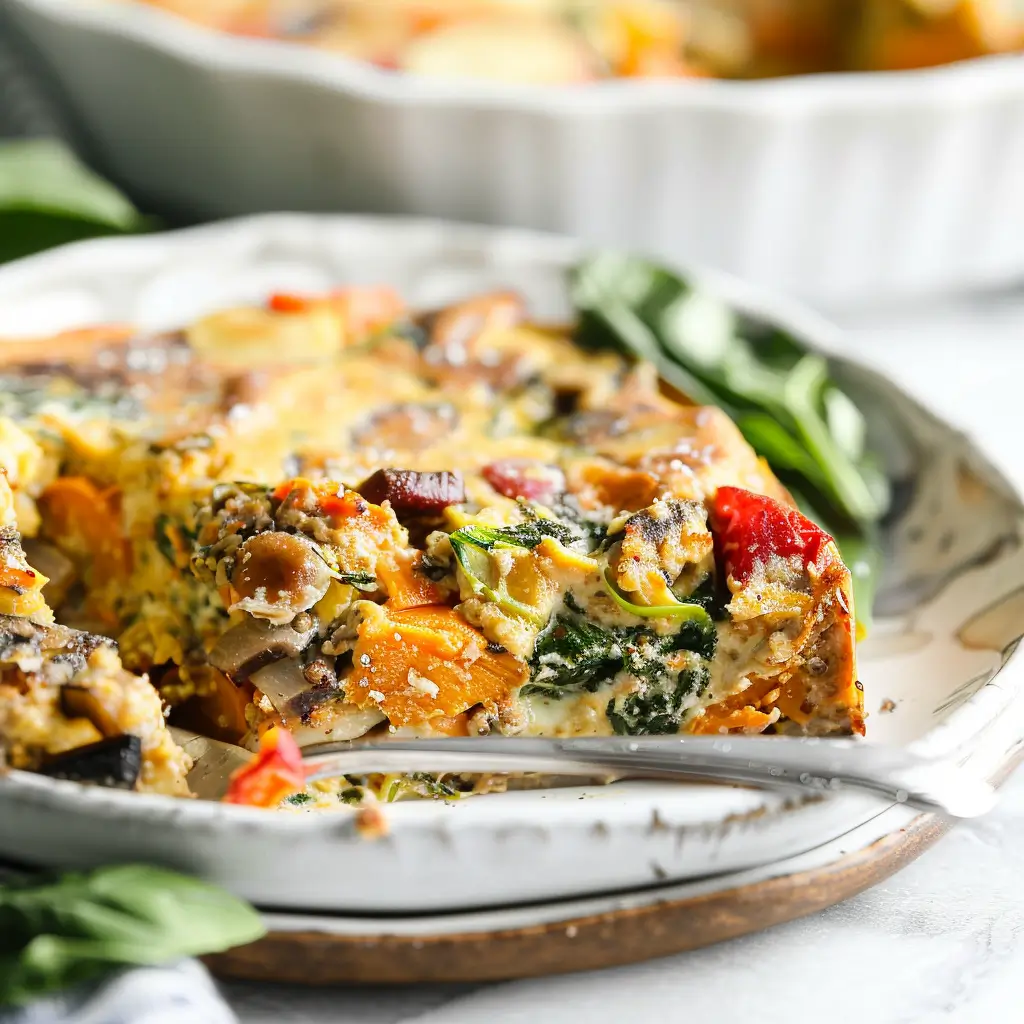
Serving Ideas & Pairings
Toppings & Garnishes to Elevate It
A sweet potato breakfast casserole is already satisfying on its own, but the right toppings can make it even better. Fresh herbs like parsley or chives add brightness, while avocado slices bring creaminess. For extra flavor, drizzle hot sauce or sprinkle on a little shredded cheese. Small touches like these make the sweet potato breakfast casserole look polished and taste restaurant-worthy.
Side Dishes & Accompaniments
To create a balanced meal, pair your sweet potato breakfast casserole with simple sides. Fresh fruit, a crisp salad, or a slice of whole-grain toast complement the hearty flavors without overpowering them. For brunch gatherings, serve it alongside muffins, croissants, or breakfast potatoes. Drinks matter too—coffee, tea, or smoothies all pair nicely with the casserole.
Portioning & Presentation
Presentation makes a big difference, especially when serving a crowd. Cut the sweet potato breakfast casserole into neat squares or serve individual portions in ramekins for a grab-and-go option. Smaller portions also make it easier to serve at potlucks or family brunches, ensuring everyone gets a taste without the mess.
Using Leftovers Creatively
Leftovers from the sweet potato breakfast casserole can easily become new meals. Wrap slices in tortillas for quick breakfast burritos, reheat them in a skillet for a frittata-style dish, or serve over a bed of greens for a protein-packed lunch. These ideas keep the casserole exciting and prevent waste, making it a truly versatile recipe.
Nutrition, Benefits & Final Thoughts
Nutrition Breakdown & Health Benefits
A sweet potato breakfast casserole is more than just comfort food it’s a nutrient-packed option that fuels your day. Each serving provides a balanced mix of protein, healthy fats, and complex carbohydrates. On average, one slice contains about 200 calories, 24 grams of protein, 14 grams of fat, and only 9 grams of carbs. With fiber, antioxidants, and vitamins A and C from sweet potatoes, this casserole supports steady energy and overall health.
Eggs and sausage contribute protein for muscle repair and satiety, while vegetables like spinach and bell peppers add vitamins, minerals, and color. Together, these ingredients turn a simple sweet potato breakfast casserole into a wholesome meal that fits both weekday meal prep and special occasions.
Why This Recipe Fits into Real Life
What makes the sweet potato breakfast casserole especially appealing is its practicality. It’s easy to prepare, reheats well, and can be adapted for various diets, whether you’re looking for paleo, dairy-free, or vegetarian options. For families and busy professionals, it eliminates morning stress by offering a ready-to-eat, balanced breakfast.
This approach matches the philosophy behind Simple Daily Meals: uncomplicated recipes that work in real life. Instead of chasing food trends or complicated methods, the sweet potato breakfast casserole brings reliable nutrition and comfort to the table without added effort.
Final Tips for Success
To make your sweet potato breakfast casserole a guaranteed success, remember these quick tips:
- Cook the potatoes until tender before baking.
- Season generously for the best flavor balance.
- Let the casserole rest before slicing for clean portions.
- Store leftovers in single servings for grab-and-go breakfasts.
Call to Action & Engagement
Give this recipe a try and make it your own! Whether you add cheese, swap the protein, or keep it vegetarian, the sweet potato breakfast casserole adapts to your taste. Share it with your family, prep it ahead for busy mornings, or bring it to a brunch gathering it’s always a hit.
For More Recipes Follow Me in Pinterest
Why Sweet Potato Breakfast Casserole Deserves a Spot on Your Table
The sweet potato breakfast casserole shows how simple ingredients can come together to create a meal that is both nourishing and satisfying. With the natural sweetness of potatoes, the richness of eggs, and the savory depth of sausage and vegetables, it’s a dish that delivers balance in every bite. Whether you prepare it for a weekend brunch, meal prep, or a holiday gathering, the sweet potato breakfast casserole proves itself as a versatile recipe that works in any setting.
Because it reheats well and adapts to different dietary needs, this casserole is more than just a one-time recipe it’s a long-term solution for busy mornings. By following the steps and variations shared in this guide, you can make your own version of the sweet potato breakfast casserole that fits your family’s taste.
Frequently Asked Questions
Can I add cheese to this breakfast casserole recipe?
Yes! Cheese is a great addition to a sweet potato breakfast casserole if you’d like extra richness. Cheddar, feta, or goat cheese all melt nicely and add flavor. If you’re avoiding dairy, simply leave it out the casserole will still be delicious.
Can I make this recipe in the slow cooker?
Absolutely. You can layer the ingredients in a greased slow cooker and cook on low for 6–7 hours or on high for 3–4 hours. Keep in mind, the texture will be softer than the oven-baked version.
What is the difference between a breakfast casserole and quiche?
A quiche is typically made with a pastry crust and a custard-like egg filling that’s rich and creamy. A breakfast casserole, like this one, skips the crust and uses eggs, vegetables, and proteins baked together. It’s heartier and often better for meal prep.
Is pork sausage the same as ground pork?
Not quite. Ground pork is plain, while pork sausage is already seasoned with spices like sage, fennel, and garlic. In this recipe, you can use either just adjust your seasonings if you start with plain ground pork.
Can I freeze this casserole?
Yes, you can. Bake the casserole, let it cool completely, then cut into portions and freeze for up to 2 months. Reheat in the oven for the best texture.
How can I make this recipe vegetarian?
For a meat-free option, simply skip the sausage and add more vegetables or use plant-based sausage crumbles. The eggs and sweet potatoes still provide plenty of flavor and structure.