
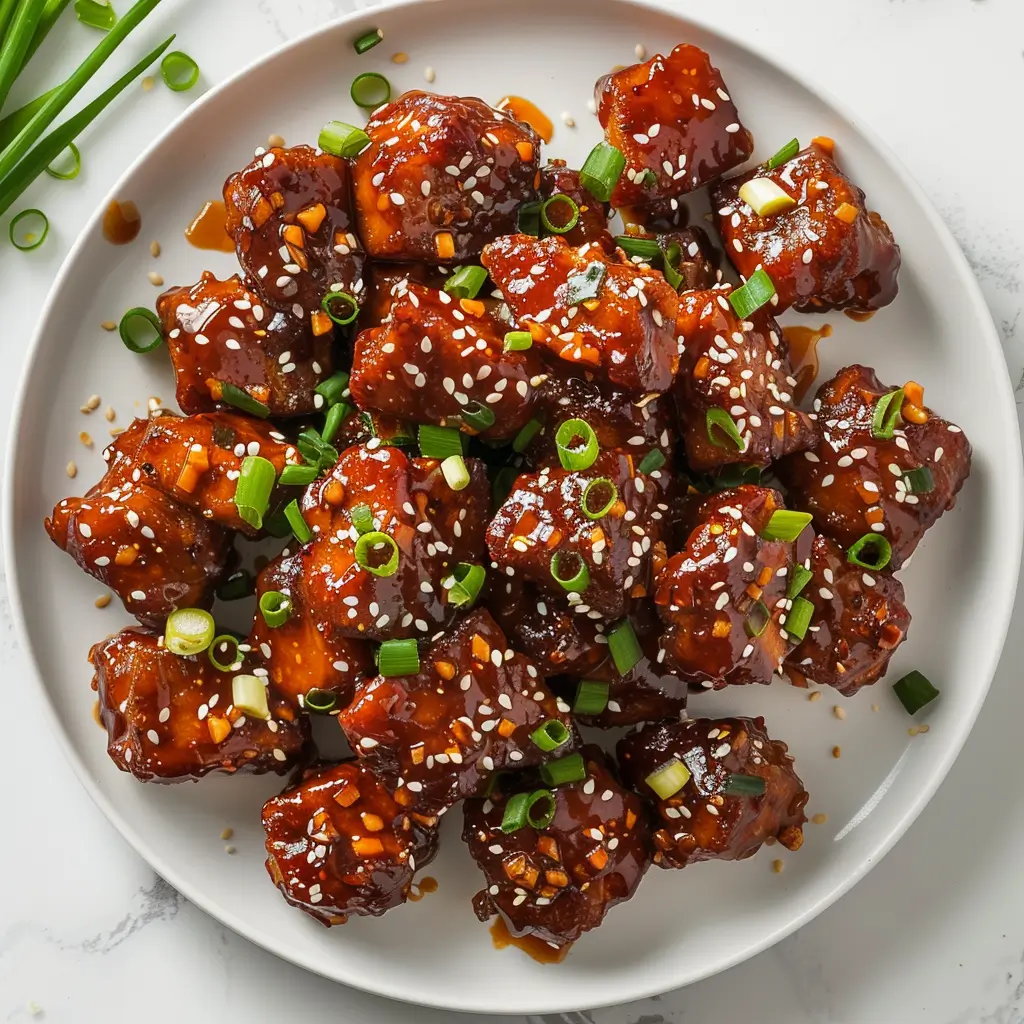
If you’ve ever wondered how to create a delicious, protein-packed vegan alternative to meat, then this seitan recipe is the answer. Ready in just 20 minutes with only a handful of ingredients, this is by far the quickest and easiest seitan recipe you’ll ever try. With its chewy, meaty texture, seitan has become one of the most popular plant-based proteins around.
This homemade seitan recipe is simple enough for beginners yet versatile enough for seasoned cooks. Its unique flavor makes it a favorite among vegans, vegetarians, and even meat-eaters who want to cut down on animal products without giving up hearty meals. In this guide, you’ll discover everything you need to know from what seitan is, to how to make it at home, different cooking methods, tasty variations, and even storage tips. Whether you’re brand new to cooking with seitan or looking for ways to perfect your homemade recipe, this article has you covered.
Table of Contents

Seitan Recipe
- Total Time: 20 minutes
- Diet: Vegan
Description
Whip up this quick and easy seitan recipe in just 20 minutes with only 7 simple ingredients! These crispy-on-the-outside, tender-on-the-inside bites are the perfect vegan chicken alternative. With a meaty texture that pairs well with any dish, this beginner-friendly recipe is a must-try for anyone new to making seitan.
Ingredients
- ¾ cup vital wheat gluten
- ¼ cup all-purpose flour
- 1 tsp vegetable broth powder
- ½ tsp onion powder
- ½ tsp garlic powder
- ¼ tsp salt
- ⅔ cup water
- Sauce (optional): Thai sweet chili, hoisin, soy sauce, rice vinegar, sesame oil
Instructions
- Fill a pot with about 1 inch of water, add a steamer basket, and bring to a gentle boil.
- In a medium bowl, whisk together the vital wheat gluten, flour, vegetable broth powder, onion powder, garlic powder, and salt. Pour in the water and stir until a dough ball forms. Lightly grease the steamer basket, tear the dough into bite-sized pieces, and place them in a single layer inside. Cover and steam for 10 minutes.
- While the seitan steams, mix the Thai sweet chili sauce, hoisin, soy sauce, water, rice vinegar, and sesame oil in a small bowl or measuring cup. Set aside. (See notes for sauce variations.)
- Once the seitan is steamed, heat 2 tablespoons of oil in a large skillet or nonstick pan. Carefully transfer the seitan bites into the hot oil and cook for a few minutes on each side until golden brown and crispy.
- Remove from heat, pour in the prepared sauce, and toss to coat. Garnish with green onions and sesame seeds if desired. Serve hot and enjoy!
Notes
- Oil-free option: bake or air fry instead of pan-frying.
- Freezer-friendly: store steamed seitan for up to 3 months.
- Sauce can be customized with BBQ, teriyaki, or curry flavors.
- Prep Time: 10 minutes
- Cook Time: 10 minutes
Nutrition Facts :
| Calories | Sugar | Sodium | Fat | Fiber | Protein |
|---|---|---|---|---|---|
| 238 | 3.8g | 99.3mg | 22.6g | 2.7g | 3.9g |
What is Seitan? A Beginner’s Guide
Understanding the Origins of Seitan (History and Background)
Seitan, often called “wheat meat,” has been around for centuries. It originated in East Asia, where Buddhist monks created it as a plant-based protein alternative. Unlike tofu, which is made from soybeans, seitan comes directly from wheat gluten, giving it a dense and chewy texture. Over time, it spread across the globe and is now a staple in many vegan kitchens for its versatility. Learning about seitan is the first step to mastering a great seitan recipe at home.
Why Seitan is Called “Wheat Meat”
The name “wheat meat” comes from its base ingredient: gluten, the main protein found in wheat. When flour is rinsed with water, starch is removed and what remains is pure gluten. This gluten is then cooked and seasoned to form seitan. Its chewy, meat-like consistency makes it stand out from other plant-based proteins, and it can be flavored in endless ways to resemble chicken, beef, or even seafood. That’s why almost every seitan recipe can be adapted to suit your favorite dishes.
Nutritional Profile Compared to Tofu, Tempeh, and Meat
One of the biggest reasons people turn to seitan is its nutritional value. A typical serving contains around 18 grams of protein with very little fat, making it a great choice for anyone on a high-protein vegan diet. Compared to tofu, seitan is higher in protein and denser in texture. Tempeh, on the other hand, contains more fiber and probiotics but has a stronger, nutty flavor. When compared to meat, seitan has fewer calories and no cholesterol, making it a heart-friendly option. For anyone exploring plant-based cooking, adding a simple seitan recipe to your weekly meals is an easy way to boost protein intake.
Key Ingredients for the Best Seitan Recipe
Vital Wheat Gluten: The Essential Base
At the heart of every seitan recipe is vital wheat gluten. This ingredient provides the chewy, meaty texture that makes seitan so unique. Unlike regular flour, vital wheat gluten is almost pure protein, which is why it gives seitan its dense bite. Without it, you can’t achieve the same result, so there’s no true substitute. If you want to perfect your homemade seitan, investing in a good quality bag of vital wheat gluten is key.
Seasonings and Spices That Elevate Flavor
On its own, seitan has a mild, neutral flavor, which makes it the perfect canvas for seasoning. A classic seitan recipe often includes garlic powder, onion powder, vegetable broth powder, and a touch of salt. These simple seasonings bring depth and savory notes. For a bolder taste, you can experiment with smoked paprika, chili powder, cumin, or even liquid smoke. The great thing is that seitan absorbs flavors easily, so your spice blend can completely transform the final dish.
Optional Sauces and Marinades for Variety
One of the best ways to keep your seitan recipe exciting is by switching up the sauces and marinades. Sweet chili, BBQ, teriyaki, or soy-based glazes all work beautifully with seitan. Once steamed or baked, you can toss seitan bites into your favorite sauce to create endless variations. This flexibility is one of the reasons seitan has become a staple for vegan meal prep it adapts to whatever flavor profile you’re craving.
How to Make Seitan Recipe Step by Step
Preparing the Dough (Mixing and Kneading Tips)
The foundation of any good seitan recipe starts with preparing the dough correctly. Begin by whisking together your dry ingredients vital wheat gluten, flour, and seasonings in a bowl. Next, slowly pour in water while stirring until the mixture forms a dough. Knead it gently for 1–2 minutes to activate the gluten. Be careful not to over-knead; too much can make the seitan tough instead of tender. At this stage, you should have a smooth, elastic dough that’s ready to be shaped or cut into smaller pieces.
Steaming, Baking, or Boiling: Which Method Works Best?
Once the dough is formed, the cooking method you choose will greatly affect the final texture. Steaming is the most common technique because it produces a chewy, meat-like consistency that works well in stir-fries or saucy dishes. Baking creates a firmer bite, perfect for slicing into sandwiches or meal prep containers. Boiling is another option, but it can sometimes make seitan spongy if not monitored closely. For beginners, steaming is the most foolproof way to get consistent results with your first seitan recipe.
Frying and Finishing Touches for Texture and Flavor
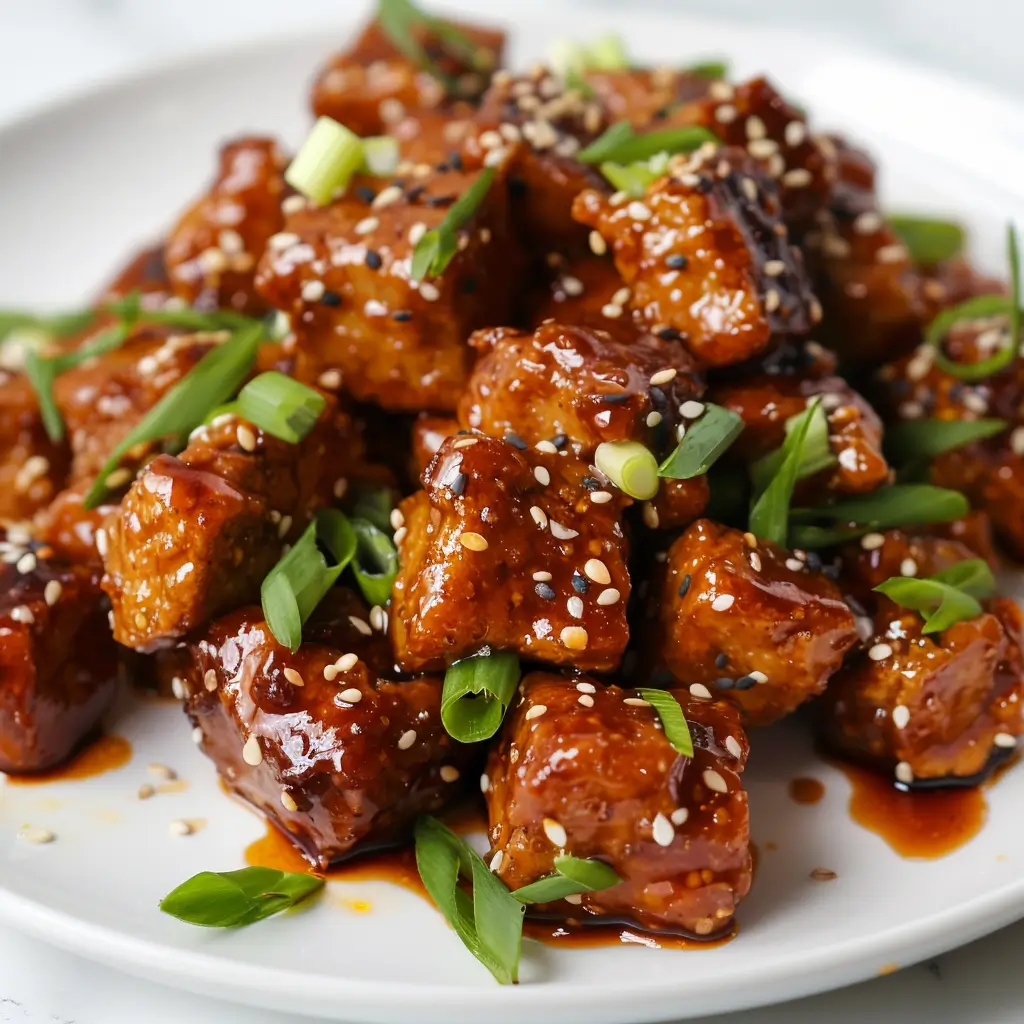
To take your seitan to the next level, finish it off by frying or pan-searing. After steaming, place your seitan pieces in a hot skillet with a little oil until golden and crispy on the outside. This step adds crunch and locks in flavor. Once fried, you can toss your seitan in sauces like teriyaki, BBQ, or sweet chili for a delicious final dish. These finishing touches ensure that your seitan recipe isn’t just protein-rich, but also flavorful and satisfying.
Easy Seitan Recipe Variations
Crispy Fried Seitan Bites
One of the most popular ways to enjoy a seitan recipe is by frying it into bite-sized pieces. After steaming the dough, simply pan-fry in hot oil until golden brown. Toss the crispy bites with sauces like sweet chili, buffalo, or teriyaki for a crowd-pleasing appetizer or snack. These bites also make a protein-packed topping for rice bowls or noodle dishes.
BBQ Seitan for Sandwiches and Wraps
If you’re craving a hearty, smoky meal, BBQ-style seitan is the way to go. Shred or slice your cooked seitan, coat it with your favorite BBQ sauce, and bake it until caramelized. Pile it high on buns for sandwiches or roll it into wraps for a quick lunch. This variation proves how versatile a seitan recipe can be, mimicking the texture of pulled pork while staying 100% plant-based.
Seitan Chicken-Style Strips for Salads and Stir-Fries
For a lighter option, try making chicken-style strips. Simply cut your seitan dough into thin pieces before steaming. Once cooked, pan-fry them until slightly crispy, then toss into salads, stir-fries, or pasta. This version of the seitan recipe is perfect for weeknight dinners, offering quick cooking times and plenty of protein without needing meat.
Cooking Methods and Texture Tips
How to Achieve a Tender Yet Chewy Bite
The texture of seitan is what makes it stand out from other plant-based proteins. To achieve the perfect balance tender inside and chewy outside you need to pay attention to kneading and cooking. Knead the dough lightly to activate gluten without making it rubbery. Steaming is the most reliable method, locking in moisture and creating the meaty texture that every seitan recipe should deliver.
Common Mistakes to Avoid When Making Seitan
Even the best home chefs run into issues when preparing seitan. Over-kneading can make it dense and tough, while undercooking may leave it gummy. Another common mistake is boiling seitan too aggressively, which can cause it to puff up and become spongy. To avoid these pitfalls, stick to steaming or baking at the correct temperature and time. These small adjustments can make your seitan recipe a consistent success.
Oil-Free and Air Fryer Options for a Healthier Twist
If you’re looking for a healthier version, skip the pan-frying and try oil-free methods. An air fryer gives seitan a crispy outer layer without extra oil, while oven-baking works well for larger batches. These approaches reduce calories while keeping flavor intact. An oil-free seitan recipe is perfect for meal prep, offering a lighter protein option that still satisfies your craving for something hearty.
Pairing Ideas – What to Eat with Seitan Recipe
Seitan with Grains: Rice, Quinoa, and Pasta
A well-balanced meal often starts with a grain base, and seitan pairs perfectly with rice, quinoa, or pasta. For example, serve crispy seitan bites over jasmine rice with stir-fried vegetables, or toss BBQ seitan into a quinoa bowl with roasted sweet potatoes. You can also slice seitan into strips and stir it through pasta dishes for a quick protein boost. Adding grains not only complements the texture but also makes your seitan recipe more filling and satisfying.
Perfect Sides: Roasted Veggies, Salads, and Sauces
Seitan’s mild flavor makes it versatile, which means you can pair it with countless sides. Roasted vegetables like broccoli, carrots, and Brussels sprouts add color and crunch. For something fresh, mix seitan strips into a leafy green salad or grain-based salad like tabbouleh. Don’t forget dips and sauces hummus, tahini, or garlic aioli all bring bold flavors to any seitan recipe.
Creative Serving Ideas: Tacos, Burgers, and Meal Preps
One of the best parts about cooking seitan is how adaptable it is. Use spiced seitan crumbles as a taco filling, stack grilled slices onto a burger bun with vegan cheese, or pack it into meal prep containers for easy lunches during the week. Each of these ideas transforms a basic seitan recipe into something new and exciting, making it easy to enjoy plant-based protein without getting bored.

Health Benefits and Nutrition Facts
Is Seitan Really Healthy?
Many people wonder if seitan is a healthy choice. The truth is, it can be very nutritious when included as part of a balanced diet. A standard serving of seitan provides about 18 grams of protein with minimal fat and no cholesterol, making it a great alternative to meat. On the downside, because it’s made from gluten, it’s not suitable for those with celiac disease or gluten intolerance. For most people, though, a seitan recipe offers a simple way to add lean protein to everyday meals.
High-Protein Vegan Alternative for Athletes
For athletes or anyone focused on fitness, seitan is a valuable plant-based protein source. Compared to tofu or beans, it packs more protein per serving and has fewer carbohydrates. This makes it especially appealing for those trying to build muscle on a vegan diet. Many bodybuilders and fitness enthusiasts use a seitan recipe as a staple in their meal prep routines since it’s versatile and keeps well in the fridge or freezer.
Comparing Calories and Macros with Chicken and Tofu
When it comes to calories and macros, seitan holds its own against traditional protein sources. A 100-gram serving of seitan contains roughly 115 calories, 18 grams of protein, and just 1 gram of fat. Compare that to chicken breast, which has about 165 calories and 31 grams of protein, or tofu, which has 76 calories and 8 grams of protein. While chicken delivers slightly more protein, seitan provides a lean, cholesterol-free option that’s completely plant-based. For anyone seeking a nutritious yet satisfying meat substitute, a seitan recipe is a smart choice.
Storage, Freezing, and Meal Prep Tips
How to Store Seitan in the Fridge
Once you’ve prepared your seitan recipe, you can store it in an airtight container in the fridge for 3–5 days. It’s best to let the seitan cool completely before sealing it, as this prevents excess moisture from making it soggy. Keep in mind that seitan tends to become a little chewier when chilled, but reheating will restore most of its tenderness.
Freezing Instructions for Longer Shelf Life
For long-term storage, freezing is the best option. After steaming but before frying or saucing, allow the seitan to cool and then place it in an airtight container or freezer bag. Frozen seitan can last up to three months. When you’re ready to use it, thaw it in the fridge overnight, then cook as desired. This method ensures your seitan recipe is always ready for quick meals.
Reheating Tips Without Losing Texture
The key to reheating seitan is to avoid drying it out. The best methods include steaming, pan-frying with a touch of oil, or tossing it into a sauce while warming it. Microwaving can work in a pinch, but it may toughen the texture if overheated. By reheating it properly, your seitan recipe will taste almost as fresh as the day you made it.
Why This Easy Seitan Recipe Belongs in Your Weekly Meals
From its rich history as “wheat meat” to its role as one of the most versatile plant-based proteins, seitan has earned its place in vegan and vegetarian kitchens around the world. With just a few pantry staples and less than 30 minutes, you can create a seitan recipe that delivers both flavor and nutrition. Whether you want crispy bites for snacking, BBQ-style shreds for sandwiches, or protein-packed strips for meal prep, seitan adapts beautifully to your needs.
By learning the right cooking methods, exploring variations, and mastering storage tips, you’ll always have a reliable meat substitute ready to go. Simple, affordable, and nourishing this seitan recipe proves that delicious plant-based cooking doesn’t need to be complicated.
For More Recipes Follow Me in Pinterest
Seitan Recipe FAQs Answered
Is seitan really healthy?
Yes, seitan can be a healthy part of your diet when eaten in moderation. It’s high in protein, low in fat, and cholesterol-free, making it an excellent choice for those reducing meat intake. However, since it’s made from gluten, it isn’t suitable for people with celiac disease or gluten intolerance. For most, though, a well-prepared seitan recipe is a nutritious and satisfying option.
What is seitan made of?
Seitan is made primarily from vital wheat gluten, which is the protein found in wheat. To prepare it, flour is mixed with water, rinsed to remove starch, and then seasoned and cooked. The result is a dense, chewy texture that resembles meat. Every seitan recipe begins with this essential ingredient.
Why don’t bodybuilders eat seitan?
Some bodybuilders avoid seitan because it’s not a complete protein it lacks a few essential amino acids that the body needs. Others may avoid it due to gluten sensitivity. Still, many plant-based athletes use a seitan recipe as a protein source, combining it with beans, lentils, or quinoa to create a complete amino acid profile.
What does seitan go well with?
Seitan pairs wonderfully with a wide variety of foods. It goes well with grains like rice or quinoa, roasted vegetables, fresh salads, and flavorful sauces. You can also use it in tacos, sandwiches, wraps, and pasta dishes. This versatility is what makes any seitan recipe such a valuable addition to a plant-based kitchen.