
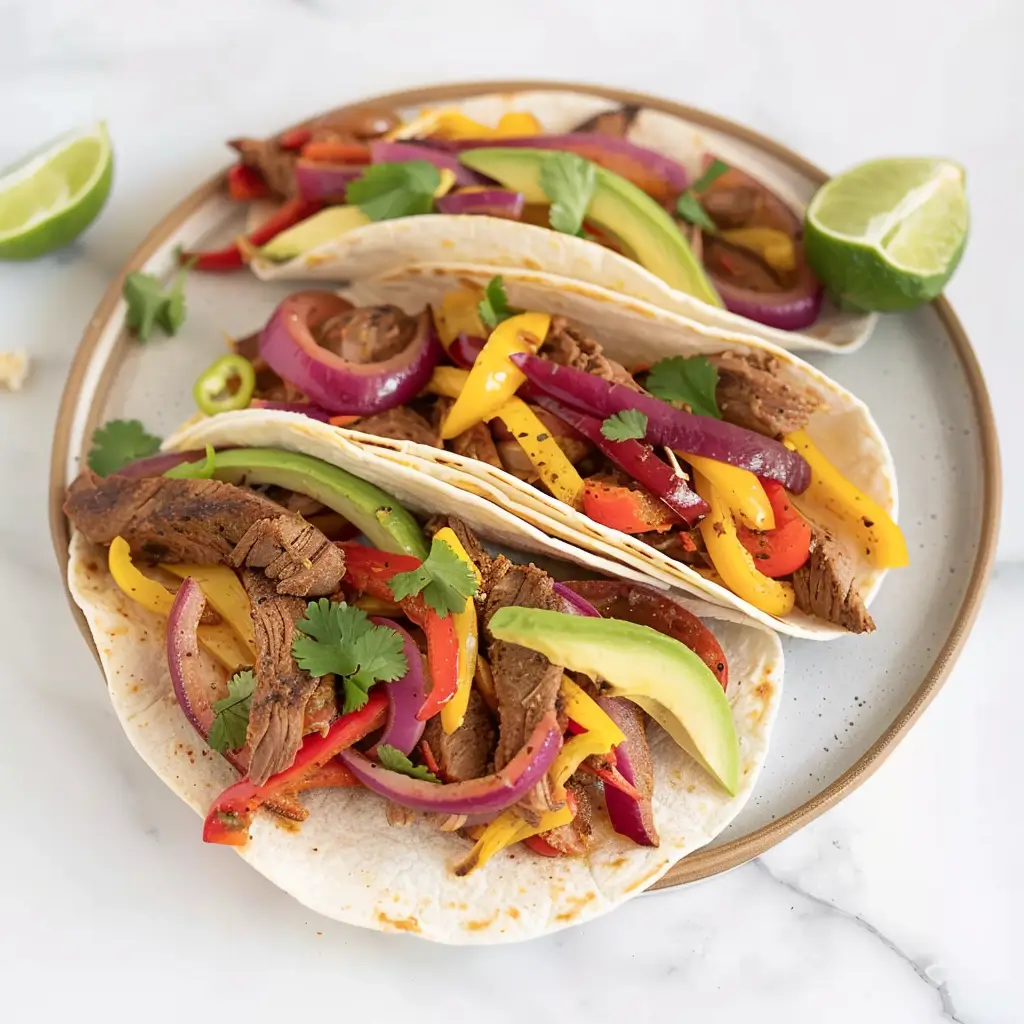
When it comes to weeknight dinners, nothing beats a dish that’s quick, nourishing, and bursting with flavor. That’s exactly what vegan fajitas bring to the table.
Inspired by Tex-Mex traditions, these sizzling skillet favorites now have a wholesome twist that’s just as satisfying as the original. By swapping meat for hearty options like seitan, tofu, or mushrooms, and layering in colorful vegetables with smoky spices, you get a meal that’s bold, filling, and easy to prepare.
Whether you’re new to plant-based cooking or already a seasoned home chef, this recipe proves that you don’t need meat to enjoy Tex-Mex comfort food. With the right marinade and a handful of fresh ingredients, vegan fajitas can quickly become your go-to weeknight dinner.
Table of Contents
The Best Vegan Fajitas
- Total Time: 30 minutes
- Yield: 4 servings
Description
These sizzling vegan fajitas are loaded with seitan, bell peppers, and onions, all tossed in a zesty marinade. Quick to prepare and full of smoky Tex-Mex flavor, they’re the perfect weeknight dinner that’s healthy, hearty, and customizable with your favorite toppings.
Ingredients
For the marinade:
- ½ pound seitan, sliced
- 2 tbsp lime juice
- 2 tbsp extra virgin olive oil
- 1–2 garlic cloves, minced
- 1 tsp ground cumin
- 1 tsp dried oregano
- ⅛ tsp ground black pepper
- ⅛ tsp red pepper flakes (optional)
For the veggies:
- ½ red onion, julienned
- ½ green bell pepper, julienned
- ½ yellow bell pepper, julienned
- ¼ tsp salt
Instructions
- Mix the marinade: In a medium bowl, whisk lime juice, olive oil, garlic, cumin, oregano, black pepper, and red pepper flakes.
- Marinate the seitan: Add sliced seitan, coat evenly, and refrigerate for 30 minutes (or overnight for stronger flavor).
- Cook the seitan: Heat a skillet over medium-high heat. Add seitan (reserving the liquid) and cook until golden brown, about 5–10 minutes. Remove and set aside.
- Sauté the vegetables: In the same skillet, add onions and peppers with the leftover marinade. Cook for 5–8 minutes until tender and slightly charred.
- Combine and finish: Return seitan to the skillet, stir everything together, and cook for another 1–2 minutes. Serve hot with tortillas and toppings.
Notes
- Use portobello mushrooms, jackfruit, or chickpeas for a gluten-free version.
- For an oil-free recipe, swap olive oil with vegetable broth.
- Add jalapeños or cayenne for extra heat.
- Store leftovers in the fridge for up to 5 days or freeze for 3 months.
- Prep Time: 10 minutes
- Cook Time: 20 minutes
- Category: 152 kcal
| Nutrient | Amount |
|---|---|
| Calories | 152 kcal |
| Carbohydrates | 4.8 g |
| Protein | 14 g |
| Fat | 8.1 g |
| Saturated Fat | 1.3 g |
| Fiber | 1.8 g |
| Sugar | 2 g |
| Sodium | 436 mg |
What Are Vegan Fajitas?
The History of Fajitas and Their Tex-Mex Roots
Fajitas originated in Texas in the early 20th century, when Mexican ranch workers cooked skirt steak over open flames and served it with tortillas. The word “fajita” actually comes from “faja,” meaning “strip” in Spanish, referring to the thin cuts of beef. Over time, fajitas became a Tex-Mex restaurant staple, sizzling on hot cast-iron skillets and accompanied by grilled onions, peppers, and an array of toppings.
How Vegan Fajitas Differ from Traditional Ones
While the original dish relies on beef or chicken, this plant-based version replaces meat with seitan, tempeh, or portobello mushrooms. These swaps don’t just mimic the chewy texture of meat; they also soak up marinades beautifully, making them rich in flavor. Plus, veggie fajitas put extra emphasis on fresh, colorful vegetables, creating a dish that’s both lighter and nutrient-packed.
Why Vegan Fajitas Are a Healthy and Sustainable Option
Choosing vegan fajitas isn’t just about skipping meat it’s about enjoying a meal that’s better for your body and the planet. Plant-based proteins are lower in saturated fat, free of cholesterol, and packed with fiber, vitamins, and minerals. On top of that, reducing meat consumption supports a more sustainable food system by lowering greenhouse gas emissions. So, every bite of these vegetarian fajitas is not only delicious but also a step toward healthier living and environmental care.
Key Ingredients for Vegan Fajitas
Best Vegetables to Use in Vegan Fajitas
The heart of any great fajita is its vibrant mix of vegetables. Classic choices include bell peppers and red onions, which caramelize beautifully when cooked over high heat. To add variety, you can also toss in zucchini, mushrooms, or even asparagus. The key is choosing vegetables that hold up well to high heat and soak up the seasoning, giving every bite a smoky, slightly charred flavor that defines authentic fajitas.
Plant-Based Proteins: Seitan, Tofu, Tempeh, and Mushrooms
Traditional fajitas rely on beef or chicken, but meatless fajitas shine with plant-based proteins that provide both texture and nutrition. Seitan is a favorite because of its chewy bite and high protein content, while tofu works well when pressed and marinated to absorb flavor. Tempeh offers a nutty, earthy taste that pairs perfectly with bold spices, and portobello mushrooms deliver a hearty, meaty feel without any animal products. These protein swaps make vegetarian fajitas just as filling and satisfying as the original dish.
Spices and Seasonings That Create Authentic Fajita Flavor
What truly sets fajitas apart is their seasoning. A good blend typically includes cumin, chili powder, paprika, garlic, and oregano. Lime juice brightens the flavors, while a dash of smoked paprika or chipotle powder adds depth. If you prefer mild heat, stick with sweet paprika; for a spicier kick, sprinkle in cayenne or red pepper flakes. Whether you’re making vegan fajitas with seitan or tofu, the right seasoning mix ensures a bold, Tex-Mex flavor that keeps you coming back for more.
Preparing the Perfect Marinade
Essential Components of a Fajita Marinade
The marinade is the secret to flavor-packed vegan fajitas. A classic blend usually starts with citrus, such as lime or lemon juice, which tenderizes the protein and adds a refreshing tang. Olive oil (or vegetable broth for an oil-free version) helps coat the vegetables evenly, while garlic, cumin, and chili powder bring in the warm Tex-Mex character. Balancing acidity, spice, and fat is key for a marinade that soaks deeply into both seitan and vegetables.
How to Marinate Seitan for Maximum Flavor
Seitan is especially good at absorbing marinades, making it ideal for plant-based fajitas. Slice it into thin strips, then let it sit in the marinade for at least 30 minutes though overnight is even better if you want maximum flavor. Tofu and tempeh can also be marinated in the same way, but make sure to press tofu beforehand so it doesn’t water down the mixture. Once cooked, these proteins deliver a savory, smoky taste that rivals any traditional fajita filling.
Oil-Free and Gluten-Free Marinade Options
If you’re cooking oil-free, swap olive oil for vegetable broth or even a splash of soy sauce to keep the mixture flavorful without added fat. For a gluten-free option, replace seitan with portobello mushrooms, jackfruit, or marinated chickpeas. These alternatives soak up spices just as well and make your veggie fajitas both wholesome and inclusive. The best part? With just a few pantry staples, you can whip up a marinade that turns simple vegetables into a sizzling, restaurant-quality dish.
Step-by-Step Vegan Fajita Recipe
Ingredients List with Measurements
For the marinade:
- ½ pound of seitan, sliced
- ⅛ teaspoon ground black pepper
- ⅛ teaspoon red pepper flakes (optional)
- 1 teaspoon ground cumin
- 1 teaspoon dried oregano
- 1–2 cloves of garlic, minced
- 2 tablespoons lime juice
- 2 tablespoons extra virgin olive oil
For the veggies:
- ½ red onion, julienned
- ½ green bell pepper, julienned
- ½ yellow bell pepper, julienned
- ¼ teaspoon salt
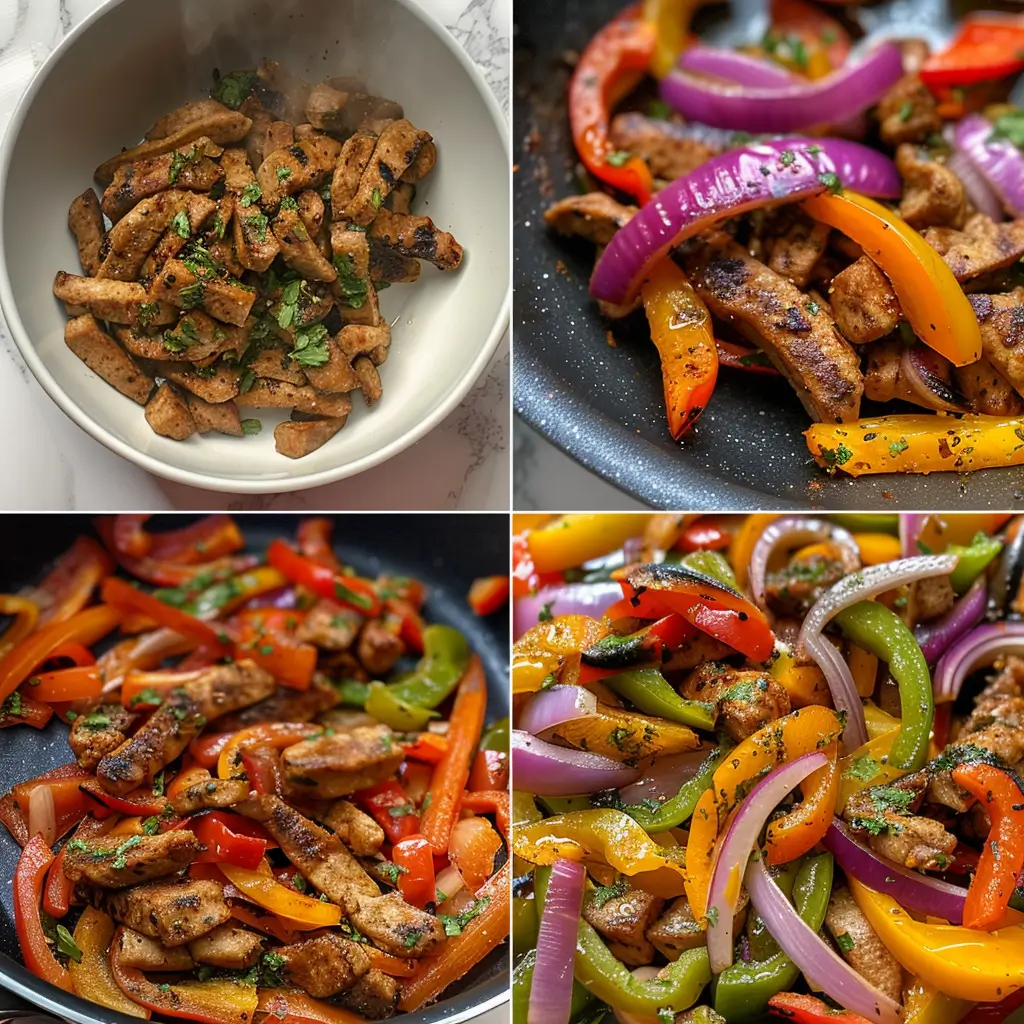
Instructions: Preparing Marinade, Cooking Seitan, Sautéing Veggies
- Mix the marinade: In a medium bowl, combine lime juice, olive oil, garlic, cumin, oregano, black pepper, and red pepper flakes.
- Marinate the seitan: Coat the strips evenly and refrigerate for at least 30 minutes. For a deeper flavor, leave them overnight.
- Cook the seitan: Heat a skillet over medium-high heat. Add the marinated pieces (saving the liquid) and cook for 5–10 minutes until golden brown. Remove and set aside.
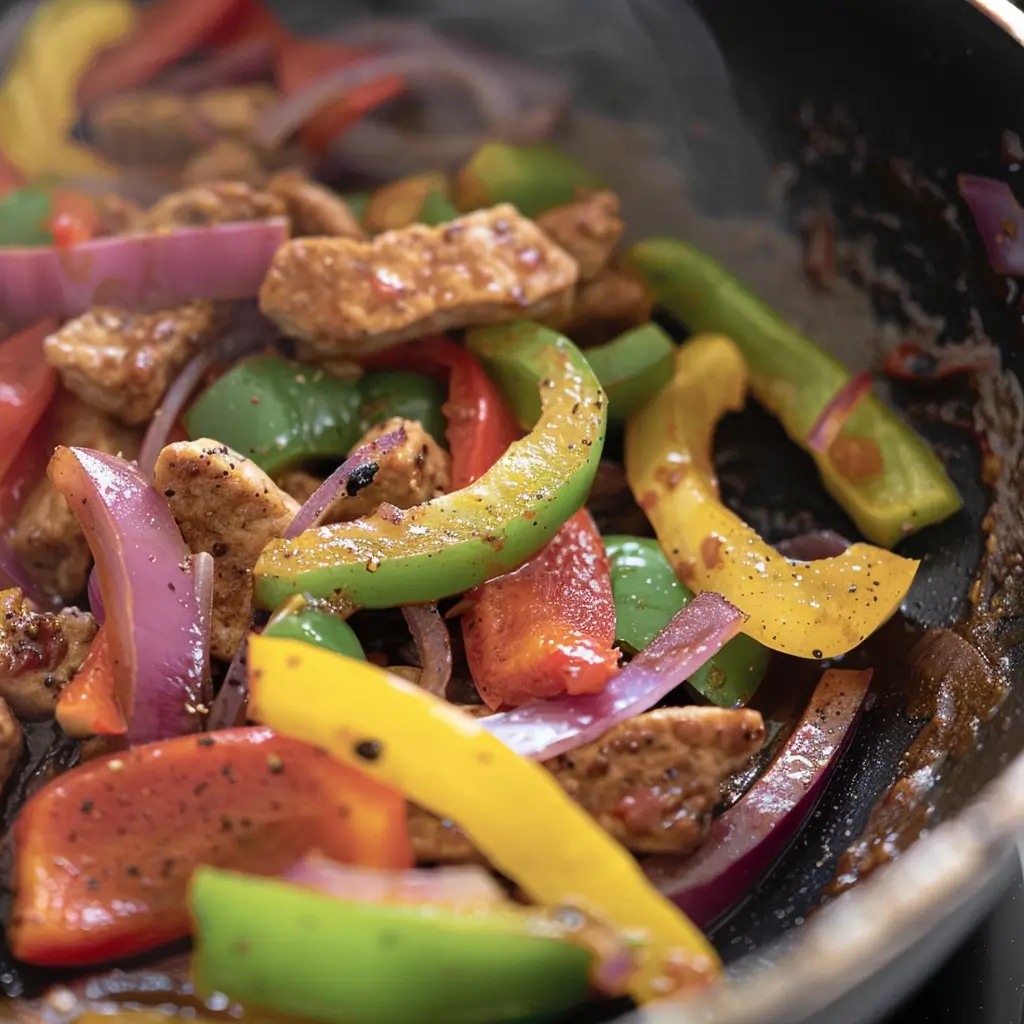
- Sauté the vegetables: In the same pan, add onions and bell peppers with the leftover marinade. Cook for 5–8 minutes until tender and slightly charred. Add a splash of broth or oil if needed.
- Finish the dish: Return the seitan to the skillet, stir everything together, and cook for another 1–2 minutes. Serve immediately with warm tortillas as the base for your vegan fajitas.
Serving Ideas: Tortillas, Toppings, and Sides
This plant-based fajita recipe is easy to adapt. Flour or corn tortillas make the perfect base, while lettuce wraps are a lighter alternative. Fresh toppings like guacamole, pico de gallo, salsa, and dairy-free sour cream add layers of flavor. Pair the skillet mix with sides such as cilantro rice, smoky black beans, or roasted corn for a complete meal. With these combinations, your vegan fajitas will feel like a restaurant-quality Tex-Mex dish, but made right at home.
Variations of Vegan Fajitas
Gluten-Free Vegan Fajitas (Without Seitan)
For those avoiding gluten, seitan isn’t an option but that doesn’t mean you have to miss out on bold Tex-Mex flavor. Instead, swap seitan for portobello mushrooms, jackfruit, or marinated chickpeas. These alternatives soak up spices just as well and make gluten-free plant-based fajitas hearty and satisfying. Portobellos offer a meaty texture, while jackfruit mimics shredded chicken perfectly.
High-Protein Options with Tofu or Tempeh
If you’re looking to boost your protein intake, tofu and tempeh are excellent choices. Tofu, when pressed and marinated, absorbs flavor beautifully and cooks up with a golden crust. Tempeh adds a nutty undertone that works well with smoky spices. These swaps make vegetarian fajitas not only filling but also a balanced meal for athletes, busy professionals, or anyone who needs extra fuel.
Oil-Free Vegan Fajitas for a Lighter Meal
Cooking without oil doesn’t mean giving up flavor. You can sauté veggies in a splash of vegetable broth or water, letting them char naturally for a smoky taste. Use avocado or cashew cream for healthy fats in your toppings. Oil-free veggie fajitas are light yet packed with nutrients, making them a great option for anyone following a whole-food, plant-based lifestyle.
What to Serve with Vegan Fajitas
Classic Tex-Mex Sides
No plate of fajitas is complete without classic Tex-Mex sides. Cilantro-lime rice adds brightness, while refried beans bring a creamy texture that balances the smoky skillet mix. Mexican street corn (elote) pairs beautifully with the spices in vegan fajitas, adding sweetness and crunch. These traditional sides make the meal feel like a true fiesta.
Fresh Toppings and Garnishes
One of the best parts of fajitas is piling on the toppings. Guacamole, pico de gallo, salsa, and dairy-free sour cream add layers of flavor and texture. Fresh herbs like cilantro and a squeeze of lime cut through the richness, giving every bite of these veggie fajitas a refreshing finish. For an extra kick, sliced jalapeños or hot sauce can be added to customize the spice level.
Beverage Pairings for a Complete Meal
Pair your fajitas with drinks that enhance their bold flavors. A tangy margarita, sparkling lime agua fresca, or even a chilled Mexican beer makes a great match. If you prefer non-alcoholic options, hibiscus tea (agua de jamaica) or a citrusy mocktail balances the smokiness of plant-based fajitas while keeping the meal refreshing and festive.
Storage, Meal Prep & Leftovers
How to Store Vegan Fajitas in the Fridge and Freezer
If you have leftovers, they store surprisingly well. Place cooled fajita filling in an airtight container and refrigerate for up to 5 days. For longer storage, portion into freezer-safe bags or containers and freeze for up to 3 months. When frozen, it’s best to separate tortillas and toppings from the filling to keep textures fresh. Proper storage ensures your vegan fajitas remain flavorful and convenient for busy nights.
Best Reheating Methods to Keep Them Fresh
The best way to reheat fajitas is on the stovetop. Simply warm the skillet mix over medium heat until hot. If you’re short on time, the microwave works, but adding a splash of water or broth helps keep the veggies tender. To avoid soggy tortillas, reheat them separately in a dry skillet or wrap them in foil and place in a warm oven. This method keeps your veggie fajitas tasting just as good as when they were freshly cooked.
Meal Prep Tips for Busy Families
Fajitas are ideal for meal prep because you can make the filling in advance. Cook the seitan or veggie mix, let it cool, and portion it into containers for grab-and-go meals. Store toppings like salsa, guacamole, or vegan sour cream separately so they stay fresh. By prepping ahead, you’ll have plant-based fajitas ready in minutes, making it easy to serve a healthy, flavorful meal any day of the week.
Health & Nutrition Benefits of Vegan Fajitas
Protein Content in Seitan, Tofu, and Other Substitutes
One of the biggest questions people have about plant-based meals is whether they provide enough protein. Seitan offers around 25 grams per serving, making it one of the richest sources available. Tofu and tempeh also provide high-quality protein while adding calcium and iron. Portobello mushrooms and legumes may have less protein but make up for it with fiber and micronutrients. By combining different ingredients, vegan fajitas can deliver a protein-packed meal that keeps you full and energized.
Comparing Vegan vs. Traditional Fajitas Nutritionally
Traditional fajitas made with beef or chicken tend to be high in cholesterol and saturated fat. By contrast, vegetarian fajitas cut out cholesterol entirely while boosting fiber, vitamins, and minerals. The variety of colorful vegetables adds antioxidants and phytonutrients that support long-term health. Choosing a meat-free version doesn’t just reduce calories it also helps balance your diet with more plant-based nutrients.
How Fajitas Fit into a Balanced Plant-Based Diet
Whether you follow a fully vegan lifestyle or simply want to add more meatless meals, fajitas are a great choice. They’re versatile enough to adapt to high-protein, oil-free, or gluten-free diets. Paired with whole-grain tortillas and fresh toppings, plant-based fajitas provide a satisfying, nutrient-dense option that aligns with modern health goals. Plus, the balance of carbs, protein, and healthy fats makes them ideal for family dinners and meal prep alike.
FAQs About Vegan Fajitas
What to put in vegan fajitas?
A great batch of vegan fajitas usually includes a mix of colorful bell peppers, onions, and a protein like seitan, tofu, or tempeh. Spices such as cumin, paprika, and garlic give the filling its signature Tex-Mex flavor. Toppings like guacamole, salsa, and dairy-free sour cream finish the dish with freshness and creaminess.
What is a good meat substitute for fajitas?
There are several excellent substitutes for meat in fajitas. Seitan is one of the most popular because of its meaty texture and high protein. Other options include marinated tofu, smoky tempeh, portobello mushrooms, or jackfruit. Each brings a unique taste and texture that works beautifully in plant-based fajitas.
What to put in veggie fajitas?
Veggie fajitas focus on the vegetables themselves, often featuring peppers, onions, zucchini, and mushrooms. You can also add black beans or chickpeas for extra protein and fiber. A squeeze of lime and fresh herbs like cilantro brighten the flavors, making the meal both colorful and nourishing.
What can I use instead of chicken in fajitas?
If you’re replacing chicken, try strips of seitan, tofu, tempeh, or jackfruit. All of these absorb marinades well and cook up with a satisfying texture. Mushrooms are another great option if you want something hearty yet simple. With the right seasoning, these swaps make veggie fajitas just as delicious and filling as their chicken-based counterpart.
For More Recipes Follow Me in Pinterest
Why Vegan Fajitas Should Be Your Next Meal
If you’ve been searching for a dish that’s quick, flavorful, and nourishing, vegan fajitas are the perfect answer. They combine the smoky spices of classic Tex-Mex cooking with fresh vegetables and hearty plant-based proteins like seitan, tofu, or mushrooms. The result is a meal that’s every bit as satisfying as its traditional counterpart, but lighter, healthier, and more sustainable.
From easy weeknight dinners to festive gatherings, this recipe adapts to any occasion. With customizable toppings, versatile fillings, and endless variations, plant-based fajitas prove that meatless meals can be bold, fun, and full of flavor. Whether you’re cooking for family, meal prepping for the week, or simply craving something quick and vibrant, this dish is one you’ll want to make again and again.
So grab your skillet, load up those tortillas, and enjoy the simple pleasure of sizzling, colorful fajitas that bring both comfort and nutrition to your table.
FAQs About Vegan Fajitas
What to put in vegan fajitas?
A great batch of vegan fajitas usually includes a mix of colorful bell peppers, onions, and a protein like seitan, tofu, or tempeh. Spices such as cumin, paprika, and garlic give the filling its signature Tex-Mex flavor. Toppings like guacamole, salsa, and dairy-free sour cream finish the dish with freshness and creaminess.
What is a good meat substitute for fajitas?
There are several excellent substitutes for meat in fajitas. Seitan is one of the most popular because of its meaty texture and high protein. Other options include marinated tofu, smoky tempeh, portobello mushrooms, or jackfruit. Each brings a unique taste and texture that works beautifully in plant-based fajitas.
What to put in veggie fajitas?
Veggie fajitas focus on the vegetables themselves, often featuring peppers, onions, zucchini, and mushrooms. For an added boost of protein and fiber, toss in some black beans or chickpeas. A squeeze of lime and fresh herbs like cilantro brighten the flavors, making the meal both colorful and nourishing.
What can I use instead of chicken in fajitas?
If you’re replacing chicken, try strips of seitan, tofu, tempeh, or jackfruit. All of these absorb marinades well and cook up with a satisfying texture. Mushrooms are another great option if you want something hearty yet simple. With the right seasoning, these swaps make veggie fajitas just as delicious and filling as their chicken-based counterpart.