
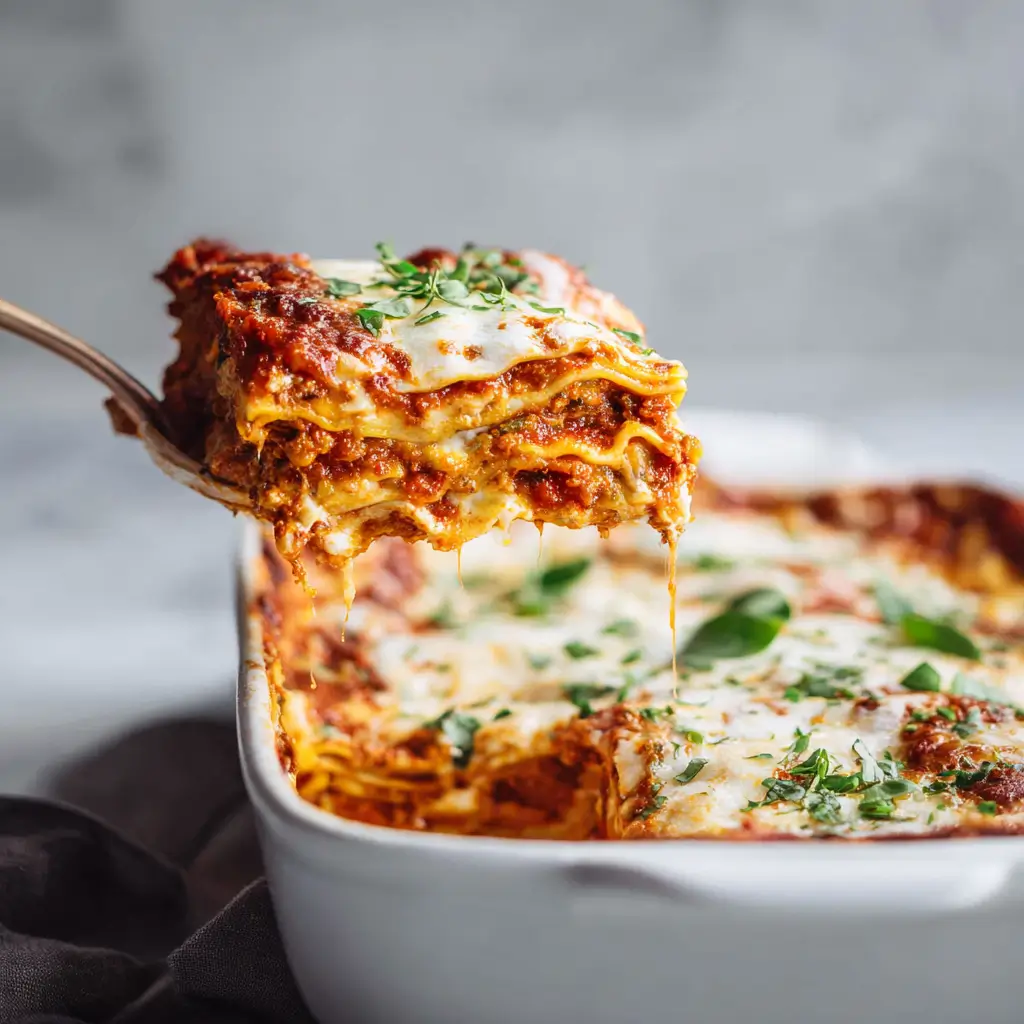
Lasagna is one of those classic comfort dishes everyone loves rich layers, creamy filling, and a bubbly top that just feels like home. But what if you could enjoy that same satisfying flavor without the dairy, meat, or complicated prep work? That’s exactly what this vegan lasagna recipe delivers. Whether you’re a long-time plant-based eater or simply cutting back on animal products, this vegan lasagna proves you don’t have to compromise taste for nutrition.
This isn’t just another pasta dish it’s comfort food reinvented. With wholesome ingredients like lentils, tofu, and cashew cream, every bite of this vegan lasagna is hearty, flavorful, and nourishing. Even meat lovers will appreciate how deliciously rich and cheesy it tastes, all without dairy or eggs.
Table of Contents
Vegan Lasagna
- Total Time: 1 hr 25 mins
Description
This vegan lasagna is layered with rich lentil marinara, creamy tofu-cashew ricotta, fresh spinach, and melted vegan mozzarella. It’s easy to make, freezer-friendly, and loved by both vegans and non-vegans alike.
Ingredients
- 1 cup dried red lentils
- (2) 25-ounce jars marinara sauce
- 1 cup raw cashews
- 14.5 ounces firm tofu, patted dry
- 1/2 cup nutritional yeast
- 3 tablespoons lemon juice (about 2 lemons)
- 1 teaspoon salt
- 1 teaspoon dried basil
- 1 teaspoon oregano
- 1/2 teaspoon garlic powder
- 3 cups baby spinach
- 1 box lasagna noodles (regular, gluten-free, or whole grain)
- 2–3 cups shredded vegan mozzarella or homemade vegan cheese
Instructions
- Cook the Lentils: Add red lentils and 3 cups of water to a saucepan. Bring to a boil, then simmer 20 minutes until tender. Drain and mix with marinara sauce.
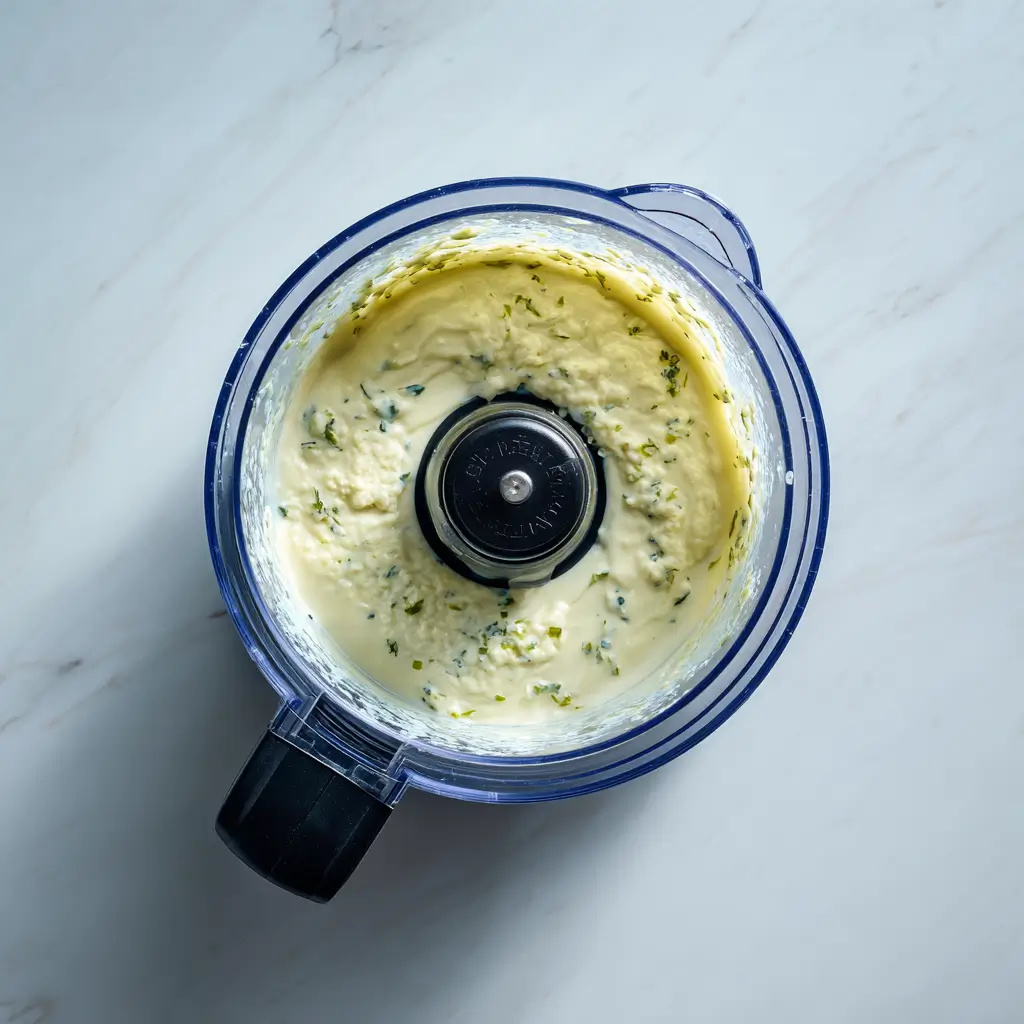
- Make Vegan Ricotta: In a food processor, blend cashews until crumbly. Add tofu, nutritional yeast, lemon juice, salt, basil, oregano, and garlic powder. Blend until smooth, adding a little water if needed.
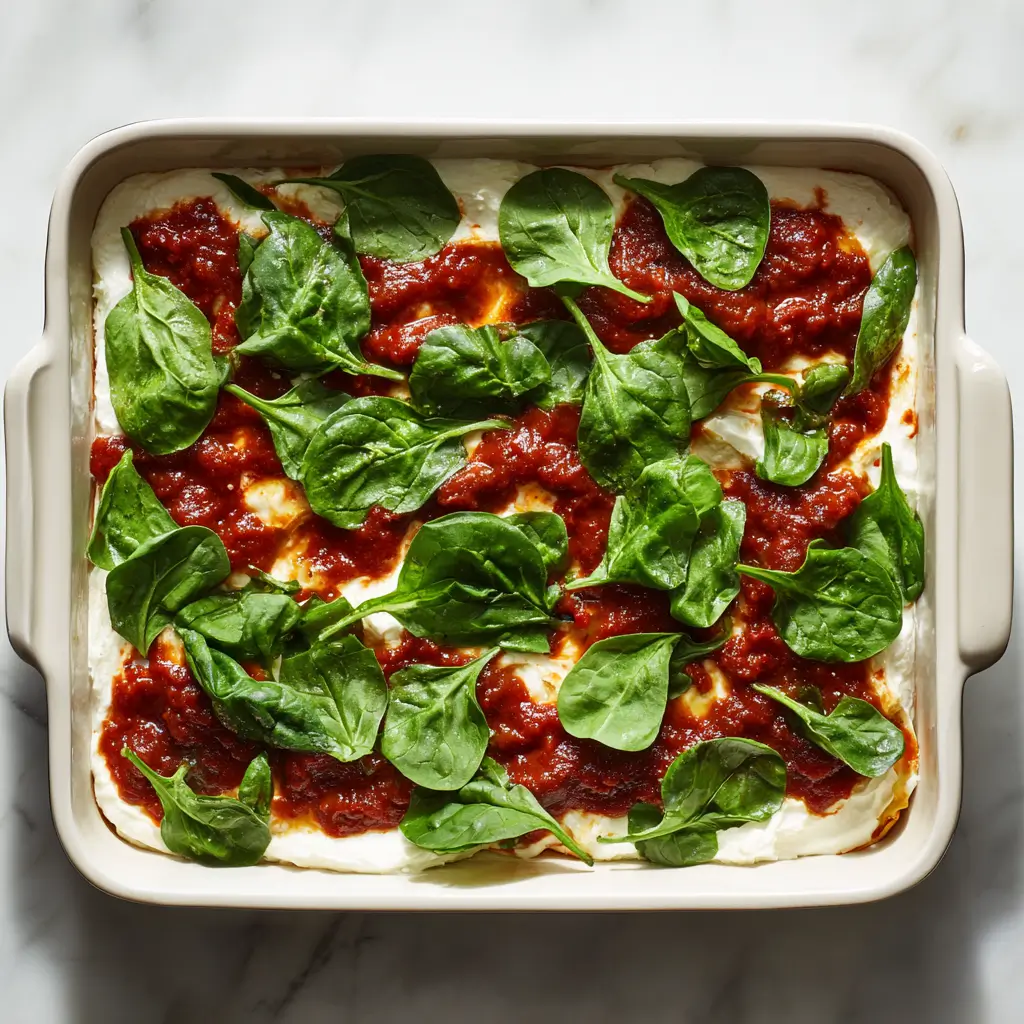
- Assemble the Lasagna: Preheat oven to 350°F (175°C). Spread 1 cup of lentil marinara on the bottom of a 9×13-inch casserole dish. Layer 4–5 noodles (uncooked), then half the ricotta, half the spinach, and another cup of sauce. Repeat layers.
- Top and Bake: Cover tightly with foil and bake for 40 minutes. Remove foil, add vegan mozzarella, and bake uncovered for 20 minutes until bubbly.
- Cool and Serve: Let rest at least 15 minutes before slicing for neat layers.
Notes
- Make-Ahead: Assemble up to 2 days ahead, cover, and refrigerate before baking.
- Gluten-Free: Use gluten-free noodles or sliced zucchini as a substitute.
- Nut-Free: Replace cashews with extra tofu or white beans.
- Freezer-Friendly: Assemble and freeze before baking (up to 3 months). Thaw overnight, then bake as directed.
- Storage: Keeps up to 4 days in the fridge. Reheat covered at 350°F until warm.
- Prep Time: 25 mins
- Cook Time: 1 hr
- Cuisine: Italian
What Is Vegan Lasagna & Why It’s Worth Making
What Makes Lasagna “Vegan”?
Traditional lasagna relies heavily on cheese, eggs, and ground beef, but vegan lasagna swaps those ingredients for whole, plant-based alternatives. Instead of ricotta or mozzarella made from dairy, we use cashews, tofu, or store-bought vegan cheese to mimic creaminess and flavor. Meat layers get replaced by hearty lentils or vegan ground “beef,” while marinara sauce brings depth and that comforting Italian taste. The result? A dish that feels indulgent yet nourishing perfect for family dinners or meal prep.
Why Vegan Lasagna Is So Satisfying
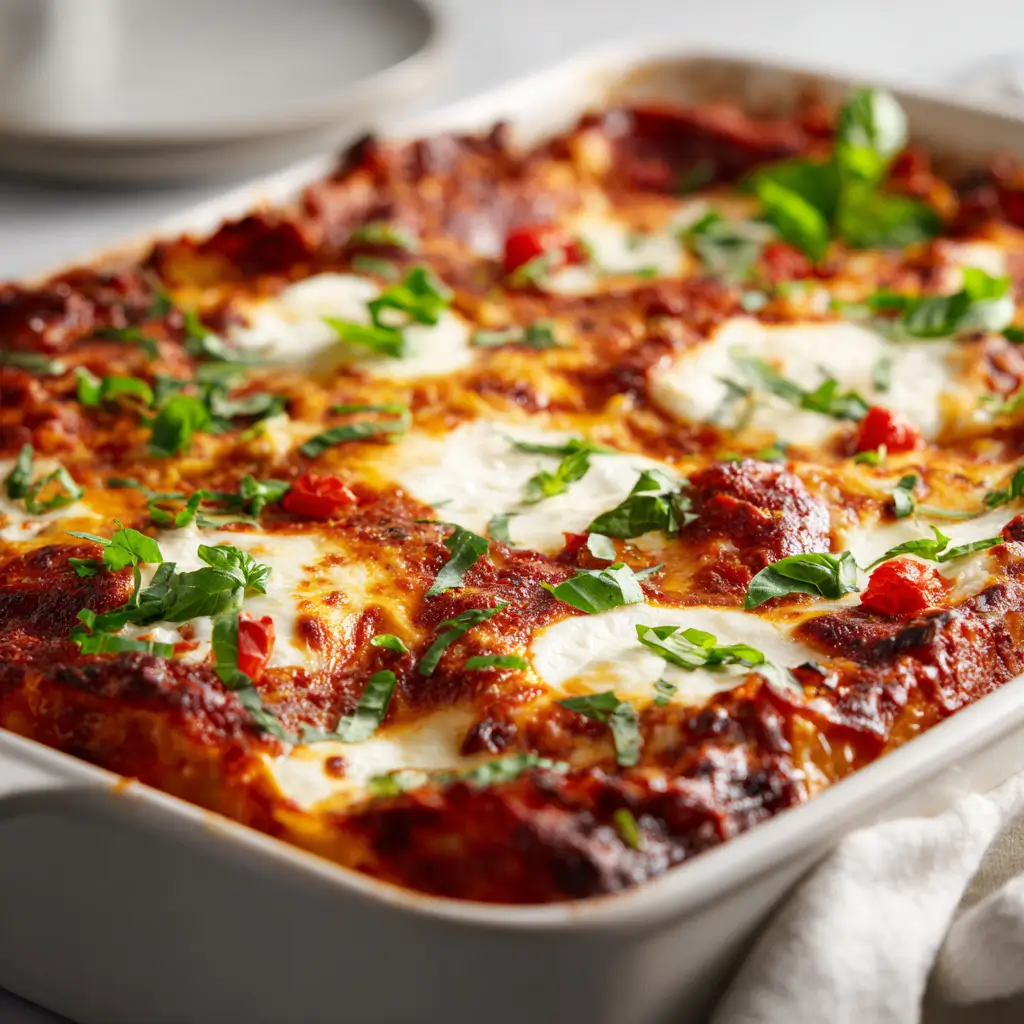
Many people assume that vegan versions of comfort foods lack substance, but this couldn’t be further from the truth. The combination of red lentils, marinara, and tofu-cashew ricotta creates layers that are every bit as rich as traditional lasagna. Lentils provide fiber and protein, cashews add creaminess, and tofu brings a light, custardy texture that blends perfectly when baked. Even meat-eaters will ask for seconds.
Common Myths About Vegan Lasagna (Debunked)
- “It’s bland.” Not when seasoned right fresh basil, oregano, garlic powder, and nutritional yeast add layers of flavor.
- “It’s too complicated.” This recipe uses simple pantry staples and doesn’t even require pre-cooking noodles.
- “It won’t melt like cheese.” Modern vegan mozzarella alternatives, whether homemade or store-bought, melt beautifully and deliver that ooey-gooey topping you crave.
Vegan lasagna isn’t just a substitute; it’s a celebration of plant-based cooking. It’s a go-to recipe for busy weeknights, family gatherings, or anyone looking to enjoy comfort food with a nutritious twist.
Core Ingredients & Smart Substitutions for the Best Vegan Lasagna
When it comes to building the best vegan lasagna, your ingredient choices make all the difference. From creamy dairy-free ricotta to hearty lentil marinara and gooey vegan mozzarella, every layer brings flavor, texture, and nourishment. The beauty of this dish lies in its flexibility you can make it gluten-free, nut-free, or even high-protein without losing its classic lasagna comfort.
The Heart of Vegan Lasagna: Lentil Marinara
Every lasagna needs a strong foundation, and in this vegan lasagna recipe, that’s the lentil marinara. Red lentils are perfect because they cook quickly, absorb flavor beautifully, and give the sauce a “meaty” texture. Combined with robust marinara sauce, garlic, oregano, and basil, you’ll have a savory, satisfying base that rivals traditional meat sauce.
If you prefer more texture, swap red lentils for brown or green varieties they hold their shape better and create a slightly firmer layer.
Creamy Vegan Ricotta Alternatives
The creamy middle layer of lasagna is what makes every bite luscious. Instead of dairy ricotta, a vegan ricotta made from tofu and cashews creates a light, smooth texture that mimics the original beautifully. Here’s how the magic happens:
- Tofu provides the protein and structure.
- Cashews add creaminess and mild nuttiness.
- Nutritional yeast brings that subtle cheesy flavor.
- Lemon juice and garlic powder add a fresh, balanced burst of flavor.
If you’re nut-free, skip the cashews and use an extra block of tofu or blend in some soaked sunflower seeds for a creamy, allergy-friendly twist.
Choosing the Perfect Lasagna Noodles
One of the best parts about this vegan lasagna recipe is its flexibility with noodles. You can use regular, whole wheat, or gluten-free noodles all work beautifully. The secret is using plenty of sauce so the noodles cook through in the oven.
You don’t need to pre-boil them; just layer directly with sauce and ricotta. The moisture from the marinara softens them perfectly while baking.
Here’s a quick noodle comparison:
| Type of Noodle | Texture | Cook Time | Best For |
|---|---|---|---|
| Regular | Classic Italian texture | 1 hr bake | Everyday use |
| Gluten-Free | Slightly softer | 1 hr bake | Wheat-free diets |
| Whole Grain | Firm, nutty flavor | 1 hr bake | Extra fiber boost |
| No-Boil | Convenient, lighter texture | 45–50 mins | Quick prep nights |
The Cheese Layer: Vegan Mozzarella That Melts
Nothing beats that golden, bubbly top layer. Thankfully, vegan mozzarella has come a long way. You can use homemade vegan mozzarella (made with tapioca starch and cashews) or choose store-bought shreds.
Look for brands that melt and stretch some even brown beautifully when baked. Sprinkle generously over the top before the final bake for that irresistible finish.
Flavor-Boosting Additions
To take your vegan lasagna from great to unforgettable, try adding:
- Fresh spinach or kale between layers for color and nutrition.
- A sprinkle of crushed red pepper for mild heat.
- Roasted zucchini, eggplant, or mushrooms for an earthy twist.
- A drizzle of olive oil or vegan pesto before serving for richness.
Step-by-Step Assembly & Baking Process
Building the perfect vegan lasagna is all about structure. Every layer adds flavor, texture, and moisture, so following the right order ensures a creamy center and golden top.
Step 1: Prepare the Lentil Marinara
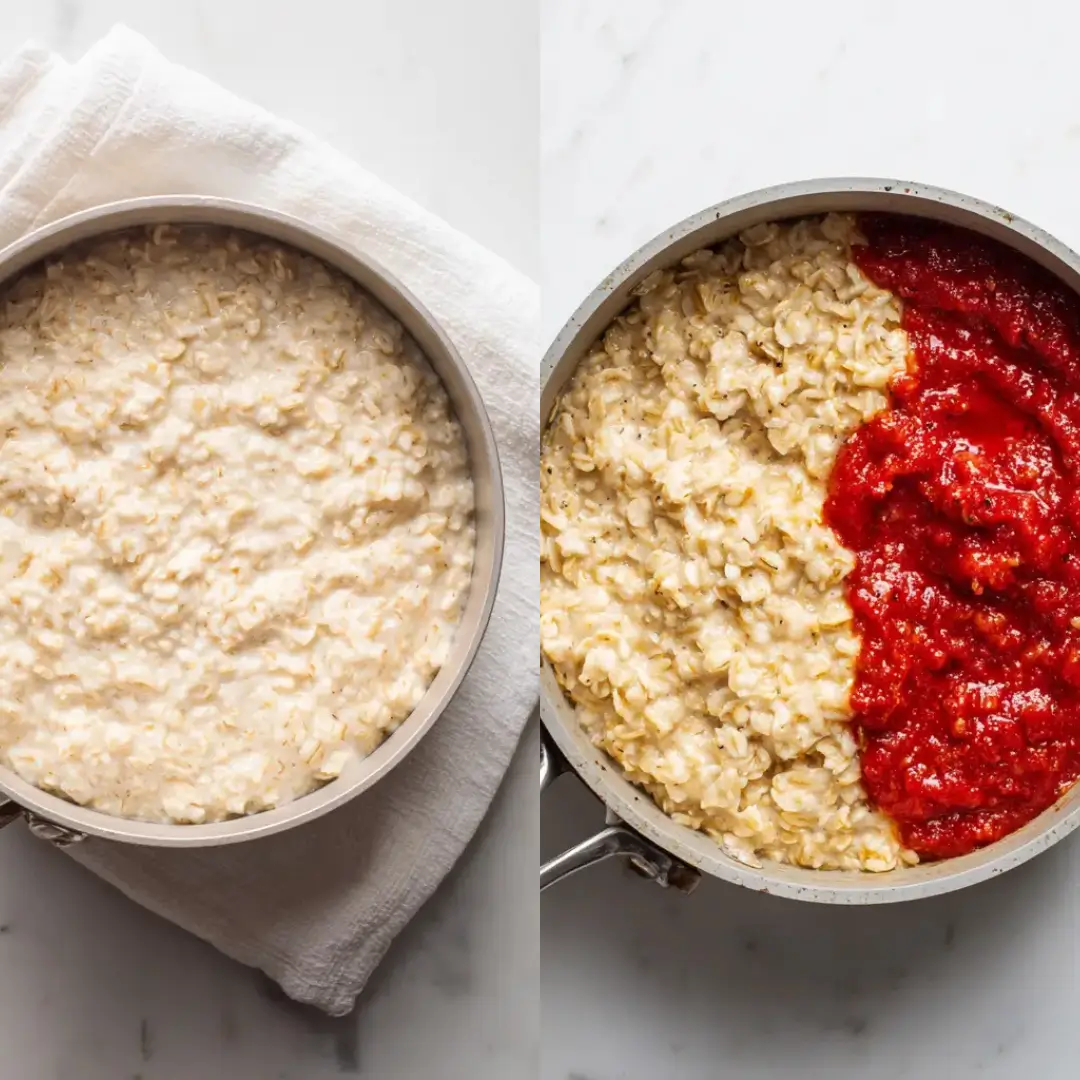
Start by simmering your red lentils in water until tender, then fold them into marinara sauce seasoned with basil, oregano, and garlic powder. This hearty mixture replaces meat yet delivers the same depth and aroma.
Step 2: Make the Cashew-Tofu Ricotta
In a food processor, combine soaked cashews, tofu, nutritional yeast, lemon juice, salt, and dried herbs. Blend until smooth but slightly grainy, like classic ricotta. If it’s thick, thin with a tablespoon or two of water.
Step 3: Layer Like a Pro
- Spread a cup of lentil marinara on the bottom of a 9×13 inch baking dish.
- Arrange 4–5 uncooked lasagna noodles.
- Spread half of your vegan ricotta, then a layer of spinach.
- Repeat the layers and finish with noodles topped generously with remaining sauce.
Step 4: Cover and Bake
Cover tightly with foil and bake at 350 °F (175 °C) for 40 minutes. Remove the foil, top with vegan mozzarella, and bake uncovered another 20 minutes until bubbling and lightly browned.
Step 5: Cool Before Serving
Let the lasagna rest at least 15 minutes. Cooling allows the layers to set, making it easy to slice neatly without collapsing.
Step 6: Serve and Enjoy
Garnish with fresh basil or parsley, drizzle with olive oil, and serve with a crisp salad or garlic bread.
FAQ Deep Dives & Troubleshooting for Vegan Lasagna
Even though vegan lasagna is simple to make, you might have a few questions along the way. From lentil choices to texture issues, this section clears up the most common concerns so your lasagna turns out perfect every single time.
Can I Use Brown or Green Lentils Instead?
Absolutely! Red lentils are the go-to in this vegan lasagna recipe because they cook quickly and blend smoothly into the marinara sauce. However, brown or green lentils can also be used if you prefer more texture or a slightly earthy flavor. Keep in mind that these lentils hold their shape more firmly and may require a longer cooking time (25–30 minutes instead of 20).
For an even heartier taste, you can also substitute vegan ground beef or crumbled tempeh both create a satisfying, meaty layer without sacrificing nutrition.
Can This Recipe Be Made Gluten-Free?
Yes, and it’s incredibly easy to do! Simply replace the traditional lasagna noodles with gluten-free lasagna sheets made from rice, corn, or chickpea flour. They work beautifully when layered with extra marinara sauce.
If you’re using gluten-free noodles, remember: they tend to absorb a bit more moisture. So, use a slightly higher sauce-to-noodle ratio to keep your gluten-free vegan lasagna tender and flavorful.
What If the Noodles Stay Too Firm or Too Soggy?
A balanced bake is key. If your noodles stay firm, it’s likely there wasn’t enough sauce or baking time. Add more marinara next time, cover tightly with foil, and ensure the lasagna bakes at least 60 minutes total.
If the noodles end up soggy, you may have used too much liquid or not rested the lasagna long enough before cutting. Allowing a 15–20 minute rest helps the layers set properly and keeps the texture balanced.
Why Did My Vegan Cheese Not Melt?
Different vegan mozzarella brands melt differently. Look for varieties made with coconut oil, tapioca starch, or potato starch for better melting. If using homemade vegan mozzarella, make sure it’s warmed slightly before spreading on top of the lasagna.
You can also broil the lasagna for 1–2 minutes after baking to get that golden, bubbly finish.
Quick Troubleshooting Chart
| Problem | Likely Cause | Easy Fix |
|---|---|---|
| Noodles undercooked | Not enough sauce or bake time | Add extra marinara; bake longer covered |
| Lasagna too watery | Too much sauce or underbaked | Bake uncovered last 20 minutes |
| Cheese won’t melt | Wrong vegan cheese brand | Choose tapioca/coconut oil-based |
| Ricotta too thick | Not enough liquid | Add 1–2 tbsp water and blend again |
Serving Suggestions & Side Pairings for Vegan Lasagna
A beautifully baked vegan lasagna is already a showstopper, but the right sides and garnishes can take your meal from good to unforgettable. Whether you’re hosting dinner guests or serving family on a busy weeknight, these pairings bring balance, freshness, and a touch of restaurant-style flair to your plate.
What to Serve With Vegan Lasagna
Because lasagna is rich and hearty, it pairs best with sides that add contrast crisp, tangy, or fresh flavors that cut through the richness. Here are a few crowd favorites:
1. Fresh Green Salads
A simple green salad with lemon vinaigrette adds brightness to the meal. Try a mix of arugula, spinach, and cherry tomatoes, drizzled with olive oil and balsamic vinegar. For extra crunch, toss in toasted pine nuts or chickpeas.
2. Garlic Bread or Breadsticks
Nothing pairs better with lasagna than warm, crispy garlic bread. Spread softened vegan butter, garlic, and parsley on a baguette, then bake until golden. For a fun twist, add a sprinkle of nutritional yeast for a cheesy, dairy-free flavor.
3. Roasted or Steamed Vegetables
Balance the meal with color and nutrition by serving roasted zucchini, broccoli, or carrots. Drizzle them with olive oil and a pinch of sea salt for a quick and flavorful side. Steamed green beans or asparagus also add freshness.
4. Soups or Starters
Pairing lasagna with a light soup like vegan minestrone or tomato basil soup is classic comfort. It adds warmth and flavor variety without overpowering your main dish.
Beverage Pairings for Vegan Lasagna
You can elevate your dining experience further with beverages that complement the hearty tomato base and creamy layers of your vegan lasagna.
- Wine Pairing: Go for medium-bodied reds like Merlot or Chianti both pair wonderfully with tomato-rich sauces.
- Non-Alcoholic Options: Sparkling water with lemon, kombucha, or iced herbal tea helps cleanse the palate between bites.
- Special Touch: For a festive meal, serve a simple mocktail like sparkling cranberry juice with fresh mint.
Garnishes That Add a Finishing Touch
Presentation matters! Try these finishing touches to make your lasagna shine:
- Fresh basil or parsley leaves for color and aroma.
- A sprinkle of vegan parmesan or nutritional yeast before serving.
- A drizzle of olive oil for sheen and richness.
- Crushed red pepper flakes for those who love heat.
Adding these small details turns an everyday dinner into something worth sharing and savoring.
Pro Tip: If you’re serving vegan lasagna for guests, bake it in individual ramekins or mini dishes for a restaurant-style presentation that keeps portions neat and warm.
For a complete vegan dinner night, serve your lasagna alongside our sizzling Vegan Fajitas both dishes deliver incredible flavor and balance beautifully on the table.
Make-Ahead, Storage & Reheating Vegan Lasagna
One reason people love vegan lasagna is its flexibility it’s as perfect for busy weeknights as it is for meal prep. You can easily assemble it ahead, refrigerate or freeze it, and enjoy warm, cheesy layers whenever you need a quick, comforting dinner. With the right techniques, your lasagna will stay creamy, flavorful, and just as satisfying as when it was first baked.
Make-Ahead Vegan Lasagna Tips
If you’re short on time, assemble your vegan lasagna a day or two before you plan to bake it. Prepare all the layers lentil marinara, noodles, ricotta, and spinach then cover the dish tightly with foil or wrap it in plastic and refrigerate. When it’s time to cook, move it straight into the oven and add about 10 extra minutes to the covered baking time to ensure the center heats through evenly.
You can also prepare the components separately: cook the lentil sauce, blend the tofu-cashew ricotta, and store them in sealed containers in the fridge for up to three days. When you’re ready, just assemble and bake.
How to Store Leftover Vegan Lasagna
Proper storage keeps your lasagna tasting fresh for days. Once it cools completely, transfer leftovers into an airtight container and refrigerate for up to four days. If you like planning ahead, cut the lasagna into individual squares and place each piece in its own meal prep box perfect for grab-and-go lunches or quick reheats.
Avoid leaving the dish uncovered, as it can dry out quickly in the refrigerator. A small splash of marinara on top before sealing helps preserve moisture.
Reheating Vegan Lasagna (Without Losing Texture)
Keeping the creamy layers intact is all about adding a little moisture before reheating. Here are the best methods:
Oven Method (for best texture)
- Heat the oven to 350°F (175°C).
- Place lasagna (whole or individual slices) in an oven-safe dish.
- Add a teaspoon or two of water or marinara sauce to the top layer.
- Cover the dish with foil to trap steam.
- Warm for 20–25 minutes, or until the center feels hot to the touch.
- Remove the foil during the last few minutes if you’d like a crisp top.
Microwave Method (for speed)
- Place one slice on a microwave-safe plate.
- Drizzle a spoonful of water or sauce over the surface.
- Loosely cover it with a damp paper towel to prevent drying.
- Warm in 45-second bursts until fully heated, letting it rest briefly before serving.
Extra Tips to Keep Your Leftovers Perfect
- Cool completely before refrigerating to avoid condensation buildup.
- Reheat once only for the best texture and flavor.
- Add moisture before reheating dry noodles are your only enemy.
- Label containers with the date if meal prepping multiple dishes.
Freezing & Thawing Vegan Lasagna
Freezer-friendly meals are a lifesaver for anyone juggling a busy schedule and thankfully, vegan lasagna freezes beautifully. Whether you want to prepare it weeks ahead or save leftovers for later, freezing preserves all the hearty flavors of the lentil marinara and creamy ricotta layers. The key lies in how you wrap, store, and reheat it.
Can You Freeze Vegan Lasagna?
Yes, absolutely! Vegan lasagna can be frozen before or after baking whichever fits your routine better. Both methods work great as long as the lasagna is properly sealed to prevent freezer burn.
| Freezing Stage | Pros | Cons |
|---|---|---|
| Before Baking | Freshly baked flavor after thawing and cooking | Takes longer to bake later |
| After Baking | Ready-to-eat convenience | Slightly softer noodle texture when reheated |
Either way, the lasagna will maintain its flavor and creaminess when handled correctly.
How to Freeze Vegan Lasagna Before Baking
- Assemble the lasagna completely in a freezer-safe baking dish.
- Skip baking instead, let it rest at room temperature for 15 minutes to cool slightly.
- Cover tightly with two layers of foil or wrap with plastic wrap and foil.
- Label with the date and contents.
- Freeze flat for up to 3 months.
When you’re ready to enjoy it, thaw overnight in the refrigerator. Then bake covered at 350°F (175°C) for about 60–70 minutes, uncovering for the final 10 minutes to brown the top.
How to Freeze Vegan Lasagna After Baking
If your lasagna is already baked and cooled, freezing is just as simple.
- Let the lasagna cool completely to room temperature.
- Slice into individual portions to make reheating easier later on.
- Wrap each piece in parchment paper or foil, then place in a freezer bag or airtight container.
- Store up to 3 months for best flavor and texture.
This approach is ideal for meal prepping you can pull out single servings anytime you need a quick, nourishing dinner.
How to Thaw and Reheat Frozen Vegan Lasagna
Proper thawing keeps your lasagna’s texture creamy and cohesive rather than watery.
Option 1: Thaw Overnight in the Refrigerator
This is the safest and most effective method. Move the frozen lasagna (whole or portioned) to the fridge 12–24 hours before you plan to bake it. Then, reheat in the oven at 350°F for 30–40 minutes until the center is hot and bubbly.
Option 2: Bake From Frozen
Short on time? Bake straight from frozen! Cover the dish with foil and bake for 75–90 minutes at 350°F, uncovering for the final 15 minutes so the top turns golden.
Pro Tips for Freezer Success
- Cool before freezing: Warm lasagna causes ice crystals and watery results.
- Label containers: Always include the date for freshness tracking.
- Use quality wraps: Foil and freezer-safe bags help prevent freezer burn.
- Add extra sauce: A bit of marinara before reheating keeps the noodles tender.
Nutrition, Protein & Health Benefits of Vegan Lasagna
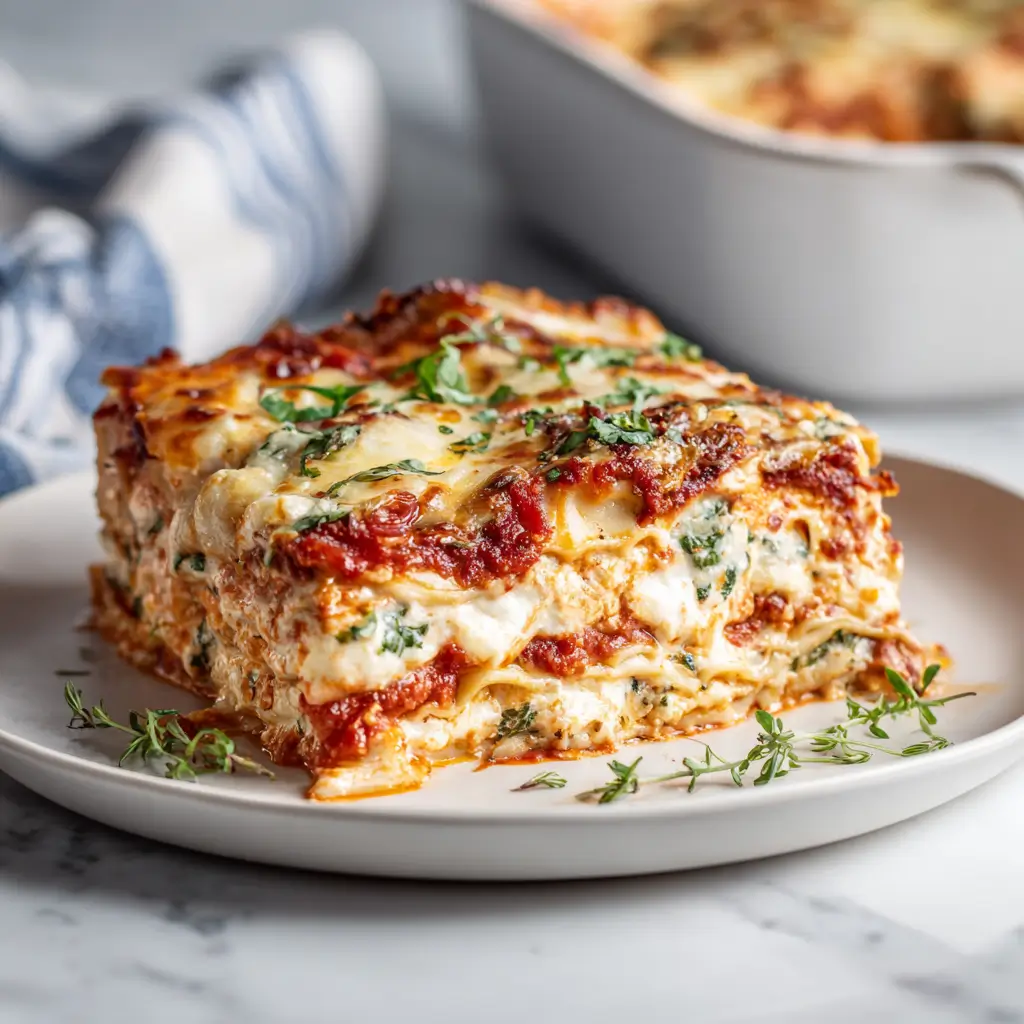
Who says comfort food can’t be healthy? With ingredients like lentils, tofu, cashews, and spinach, vegan lasagna offers a nourishing balance of protein, fiber, and vitamins all while staying indulgently creamy and full of flavor. Unlike traditional lasagna loaded with dairy and red meat, this plant-based version fuels your body with slow-digesting carbs and heart-healthy fats that keep you energized longer.
The Nutritional Breakdown of Vegan Lasagna
Each serving of this vegan lasagna recipe is a complete meal in itself rich in plant protein, complex carbohydrates, and beneficial micronutrients. Here’s a general idea of what you’re getting per generous serving:
| Nutrient | Approximate Amount | Key Benefit |
|---|---|---|
| Calories | 480–500 kcal | Sustains energy without heavy fats |
| Protein | 24–26 g | Supports muscle health and repair |
| Fiber | 13–15 g | Aids digestion and promotes fullness |
| Fat | 11–13 g | Provides essential fatty acids |
| Carbohydrates | 70–75 g | Fuels daily activity and focus |
| Iron | 6–8 mg | Helps oxygen flow throughout the body |
| Calcium | 130–150 mg | Strengthens bones and teeth |
(Nutritional values are estimated and may vary based on ingredient brands and serving size.)
Why Vegan Lasagna Is a Protein Powerhouse
One of the biggest misconceptions about plant-based cooking is that it lacks protein. In reality, lentils and tofu two key ingredients in this vegan lasagna pack a serious punch. Lentils alone provide nearly 18 grams of protein per cooked cup, while tofu adds another 10 grams per serving. Together, they deliver a complete amino acid profile that supports muscle recovery and satiety.
Health Benefits Beyond the Plate
1. Heart Health
Replacing animal fats with plant-based ingredients reduces saturated fat and cholesterol. The olive oil, nuts, and lentils in vegan lasagna promote healthy cholesterol levels and improved heart function.
2. Better Digestion
The high fiber from lentils, spinach, and whole grain noodles supports a healthy gut and keeps digestion smooth.
3. Balanced Blood Sugar
Plant-based proteins and complex carbs digest slowly, helping maintain stable blood sugar ideal for busy families or anyone watching their energy levels.
4. Nutrient Density
Cashews, tofu, and spinach add important nutrients such as magnesium, iron, and vitamin C, supporting immune health and overall vitality.
Tips to Make Your Vegan Lasagna Even Healthier
- Use whole grain noodles for added fiber.
- Add more greens like kale, chard, or zucchini for a nutrient boost.
- Reduce oil use by sautéing vegetables in vegetable broth instead.
- Layer extra lentils to increase protein without changing the flavor.
If you love high-protein vegan dishes, check out our Seitan Recipe another great way to boost your plant-based protein intake while keeping meals flavorful and satisfying.
Variations & Creative Twists on Vegan Lasagna
One of the best things about vegan lasagna is how customizable it is. Once you master the basic version, you can adapt it to fit any taste or diet.
1. Meaty Vegan Lasagna:
Swap lentils for vegan ground beef or crumbled tempeh for a rich, hearty flavor. Cook it first, then layer as usual for that “classic” lasagna texture.
2. Veggie Lasagna:
Layer in roasted zucchini, mushrooms, or bell peppers to add sweetness and color. Roasted vegetables also help keep the dish moist and flavorful.
3. Nut-Free Option:
Skip the cashews and use extra tofu or white beans in your ricotta for a smooth, protein-rich filling without nuts.
4. Gluten-Free Version:
Use gluten-free noodles or thinly sliced zucchini instead of pasta sheets. Just add extra sauce to prevent dryness.
5. White Vegan Lasagna:
Replace the marinara with a creamy vegan béchamel sauce made from plant milk, olive oil, and nutritional yeast for a milder, buttery twist.
Each version keeps the same comfort-food satisfaction but lets you tailor your vegan lasagna recipe to your family’s needs or weekly cravings.
For More Recipes Follow Me in Pinterest
Why Vegan Lasagna Deserves a Spot on Your Table
When it comes to comfort food that checks every box flavorful, hearty, and nourishing vegan lasagna stands tall. With its rich layers of lentil marinara, creamy ricotta, tender noodles, and melted vegan cheese, it delivers all the indulgence of traditional lasagna without the heaviness. Whether you’re cooking for family, meal prepping for the week, or impressing guests, this plant-based classic proves that simple, wholesome ingredients can create something extraordinary. From make-ahead convenience to freezer-friendly storage, it’s a recipe that fits real life and real appetites. Try it once, and you’ll see why this vegan lasagna recipe has earned a permanent place in kitchens everywhere.
Frequently Asked Questions About Vegan Lasagna
Can I use brown or green lentils instead of red lentils?
Yes, you can absolutely make vegan lasagna with brown or green lentils. Red lentils cook faster and create a smoother, saucier layer, while brown or green lentils stay firmer, adding a bit more texture and a mild earthy flavor. If you choose these, increase cooking time by about 10 minutes before mixing them into the marinara. They hold up well through baking and taste fantastic with herbs like basil and oregano.
Can this vegan lasagna recipe be made gluten-free?
Definitely. To make your vegan lasagna gluten-free, simply swap the traditional noodles for gluten-free ones made from rice, chickpeas, or lentils. These noodles bake beautifully as long as you use plenty of sauce to keep them moist. You can even use thin zucchini or eggplant slices instead of pasta for a grain-free, low-carb alternative that’s light but satisfying.
What do you serve with vegan lasagna?
Vegan lasagna pairs perfectly with sides that bring freshness and balance. A crisp green salad with lemon vinaigrette, roasted vegetables, or warm garlic bread complement the rich layers without overpowering them. For a complete Italian-style meal, add a light soup like vegan tomato basil or minestrone. Don’t forget a sprinkle of fresh basil or parsley on top to brighten every bite.
Can vegan lasagna be made ahead of time?
Yes, and that’s one of the best things about this recipe! You can assemble vegan lasagna a day or two in advance, refrigerate it covered, and bake it fresh before serving. It’s perfect for meal prep, special occasions, or holidays when you want to save time. You can also freeze the unbaked lasagna for longer storage and bake it later straight from the freezer just add about 20 extra minutes of cook time.
Can you freeze vegan lasagna?
Yes! Vegan lasagna freezes extremely well, either before or after baking. If freezing before baking, assemble the layers, wrap tightly with foil, and store for up to three months. When ready to eat, thaw overnight in the fridge and bake until hot and bubbling. If freezing after baking, cool completely, slice into portions, and wrap each piece individually for easy reheating later. It’s a lifesaver for busy nights or last-minute guests.